What it is
An apprenticeship is a way of learning a job by doing it. You work alongside experienced people and you also study the related knowledge. A first job with real skills attached is similar in spirit: the role is meant to teach you something you can carry forward, not only fill a shift.
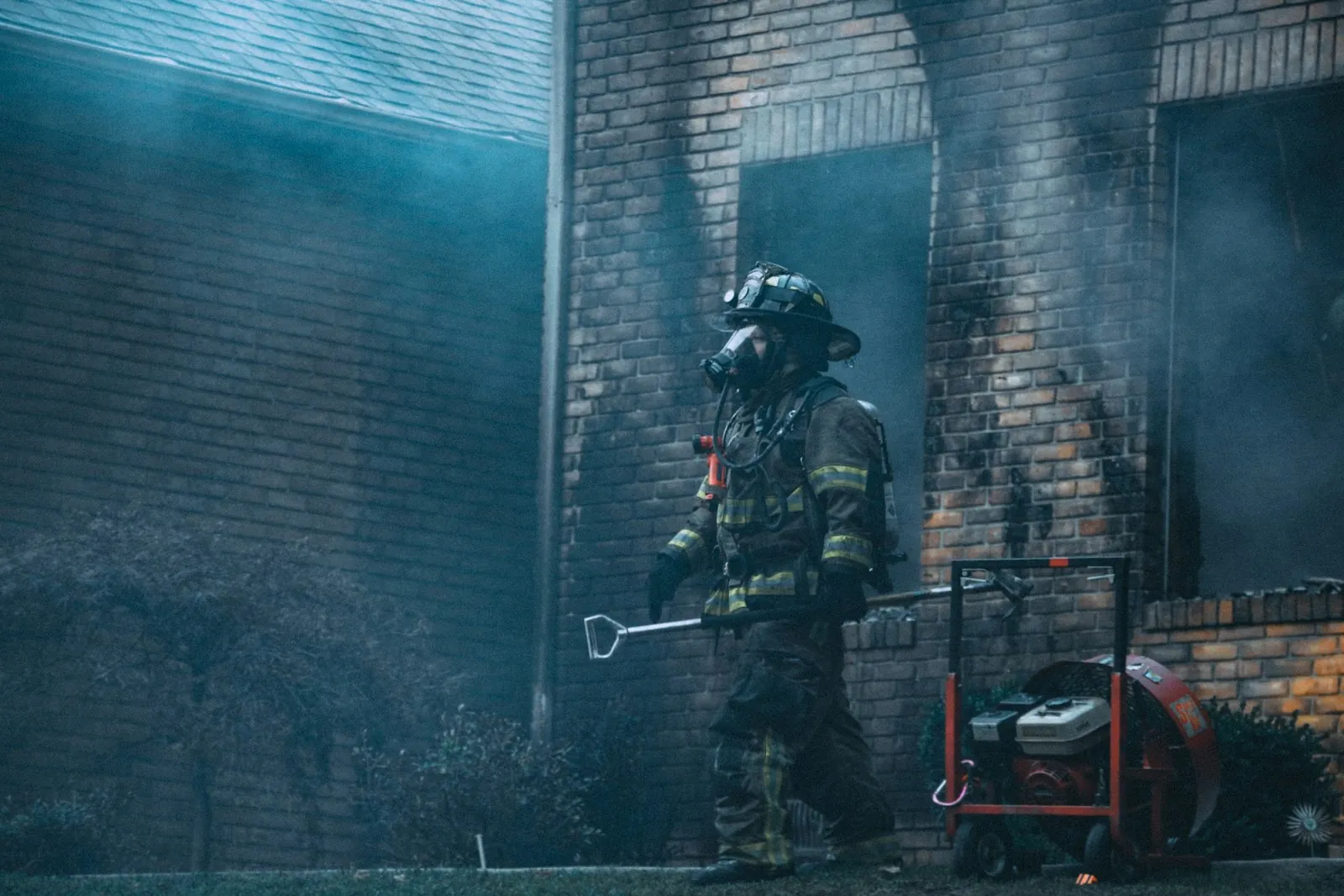
Skilled trades such as electrical, plumbing, HVAC and welding often use apprenticeships. Fire, EMS and emergency management roles usually involve training, certifications and supervised experience. Law enforcement involves agency hiring standards and academy-style training. Each field has its own steps.
Young adults and veterans are sometimes interested in the same kinds of work. Veterans may bring discipline, teamwork and technical experience from service, and many students want the same structure and purpose. Requirements differ by field, state and employer, so always confirm details with the program or agency itself.
How it’s traditionally been approached
Traditionally, many people entered the trades through a union or employer-sponsored apprenticeship, or by starting as a helper and learning on the job. Others attended a technical or community college program first. Both routes have been common, and neither is the only right one.
In fire, EMS and emergency management, people have often begun with volunteer work, a basic certification course, or a department's own entry process. Requirements such as certifications, physical testing and background checks vary by state and agency, so it's wise to check directly with the department or the state authority.
In law enforcement, applicants generally meet the standards set by the hiring agency and their state's POST board, then complete academy training. Veterans may also look into veterans' preference, SkillBridge, the GI Bill and other VA programs. Eligibility for each should be confirmed with USAJOBS, the VA, the Department of Labor (VETS) or your command.
How the right employer may help
The right employer or program may help by explaining the path clearly: what the entry requirements are, what training is provided, and how skills are learned over time. A good one is open about what is expected of you and what you can expect from them. No employer can guarantee a job, an interview or a result.
A first conversation, whether it's an info session, a call or a visit to a worksite or station, is usually about fit. You may hear about the daily work, safety expectations, schedules and the application steps. You may be able to look around and ask questions. It's a chance for you to evaluate them as well.
Useful questions to ask include: How is training structured, and who supervises it? Which licences or certifications does this lead toward, and who sets the requirements? Is the training paid, unpaid or tuition-based? What does a typical week look like? How do people usually move forward from here? Ask for details in writing, and confirm anything important with the state board, agency or program.
The bigger picture
Choosing a first career step affects more than a résumé. It can shape your daily routine, your stress level, your finances and your sense of purpose. Physically demanding or high-pressure fields such as trades, fire, EMS and law enforcement can be rewarding, and they also ask a lot of the body and mind. It's reasonable to think about how a path fits your life, your family and your wellbeing.
There is no single right path, and a more traditional route isn't better or worse than a less common one. Taking time to ask questions, talk with people who do the work and plan realistically can bring peace of mind. If you're also thinking about health-related careers or care, Providers.plus is one place to explore related resources.
Keep in mind
- Licensing, certification and hiring requirements vary by state, agency and employer, so confirm them with the state board, agency or program before you commit.
- Beware of job scams: never pay to apply for a job, and never share bank details before a formal offer.
- Employers should evaluate candidates fairly, and equal opportunity rules apply. If you have concerns, check with the appropriate agency.
- 2A Careers is an independent directory, not a professional advisor. It can't guarantee a job, interview, salary or hiring timeline. Where a listing is a partner or affiliate opportunity, we may earn a referral fee, and it is not a description of paid work or income.
Employers who often help
Get matched privatelyFrequently asked questions
What are the best jobs for veterans who want to learn a skilled trade?
There isn't one best job, because it depends on your interests, experience and local demand. Many veterans look at trades such as electrical, HVAC, plumbing and welding, often through apprenticeships. Confirm program details and any veteran benefit eligibility with the program, the VA or the Department of Labor (VETS).
How do I find an apprenticeship as a student or young adult?
You can start by contacting local trade programs, unions, employers and community or technical colleges to ask how they accept new apprentices. Requirements and timing vary, and no one can guarantee a spot. Never pay a fee just to apply.
Do I need experience for a first job with real skills?
Not always. Many apprenticeships and entry-level roles are designed to teach you from the beginning, though some ask for a diploma, a driver's licence or a basic certification. Check the requirements with each employer or program.
Can fire, EMS or law enforcement be a first career?
Yes, some people start in these fields early, though requirements vary. Agencies commonly set age, training, certification and background standards, and law enforcement follows state POST board rules. Contact the agency or your state board to confirm what applies.
Are jobs for veterans different from jobs for young adults?
Many roles are open to both, but veterans may have access to extra programs. These can include veterans' preference, SkillBridge and GI Bill or VA benefits. Confirm your eligibility with USAJOBS, the VA, the Department of Labor (VETS) or your command.
How can I tell if a job listing is a scam?
Be wary if you're asked to pay to apply, to share bank details before an offer, or if the offer seems too good to be true. Real employers don't charge to hire you. Research the company independently and trust your instincts.
Educational resource. 2A Careers shares general information and connects people with independent employers. It is not professional advice. Talk with a qualified professional about your own situation.