What it is
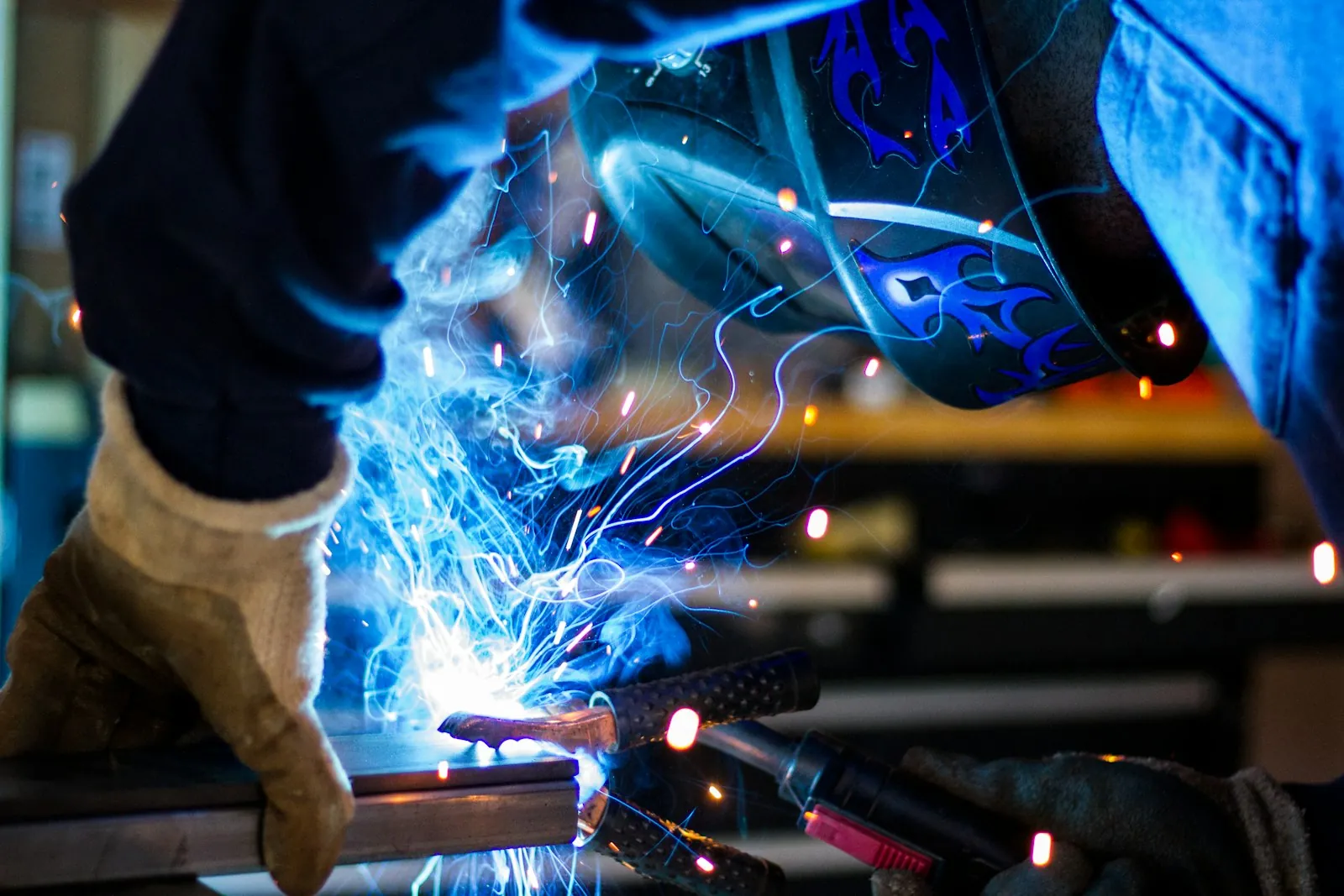
Skilled trades are occupations that rely on practical training, technical knowledge and hands-on craft. They keep homes, businesses, utilities and industrial sites running. Common examples include electricians, HVAC technicians, welders, plumbers and electric lineworkers.
Each trade has its own tools, safety standards and body of knowledge. Electrical and plumbing work often involves codes and inspections. Welding may involve different processes and materials. Lineworker roles involve working around energized equipment and require strong safety discipline.
Many trades are also regulated. Licences, certifications and registration rules differ by state, local jurisdiction and employer, so requirements in one place may not match another. Always confirm with your state licensing board or the program you are considering.
How it’s traditionally been approached
The traditional route into the trades is the apprenticeship, where a person works under experienced professionals while also learning in a classroom or technical setting. This approach lets people build skills on the job as they progress.
Others begin with a technical or community college course, a trade school certificate, or an entry-level helper role. Some join through unions, employer-sponsored programs or joint labor-management training programs. Each route has different time commitments, costs and entry requirements.
Veterans often bring skills such as mechanical aptitude, teamwork, safety awareness and reliability. Programs such as the GI Bill, VA benefits, and DoD SkillBridge may relate to training or transitions, but eligibility and approval vary. Confirm details with the VA, the Department of Labor (VETS) or your command.
How the right employer may help
The right employer may help by offering structured on-the-job training, mentorship from experienced tradespeople, and a clear picture of how skills and credentials can build over time. Some employers sponsor apprenticeships or support licensing, though this is never guaranteed.
Learning about an employer is a bit like an introductory visit. You may tour a shop or site, meet crew members, and hear how a typical day runs. It is a good chance to see the work environment and ask practical questions.
Helpful questions include: Is this a registered apprenticeship? Who supervises and trains new people? What licences or certifications does the work involve, and who confirms them? How is safety handled, and what equipment is provided? Does the employer have experience working with veterans using education benefits? Employers must treat applicants fairly and without regard to protected characteristics.
The bigger picture
Trade work can be physically demanding and mentally rewarding. Many people value building or fixing something tangible, working as part of a crew, and seeing the results of their efforts. At the same time, the physical demands, schedules, weather and travel can affect rest, health and family life, so it helps to think honestly about what fits you.
Finances and peace of mind matter too. Training often involves a period of learning while earning, and the costs and timelines vary by program. Taking time to compare options, ask questions and plan can reduce stress. If you want support with the broader wellbeing side of a career change, Providers.plus is one resource you may explore.
Keep in mind
- Licensing, apprenticeship and hiring requirements vary by state, agency, union and employer, so confirm them directly with the board or program.
- Never pay to apply for a job or apprenticeship, and never share bank details before a legitimate offer.
- Veterans' preference, SkillBridge, GI Bill and VA programs have specific eligibility rules; confirm with USAJOBS, the VA, the Department of Labor (VETS) or your command.
- Listings on this directory are not a guarantee of a job, interview, pay or hiring timeline, and safety training should always come first.
Employers
We’re welcoming founding employers for skilled trades now. Get matched or list your practice.
Frequently asked questions
What are the best skilled trades jobs for veterans?
There is no single best trade, because the right fit depends on your interests, strengths, health and local opportunities. Electrical, HVAC, welding, plumbing and lineworker work are common areas people explore. Researching each one and speaking with employers can help you decide.
How do apprenticeship programs work?
An apprenticeship generally combines paid on-the-job learning under experienced workers with related classroom instruction. Structure, length and requirements vary by trade and program. Ask whether a program is registered and what credentials it may lead toward.
Can veterans use the GI Bill for skilled trades training?
Some approved apprenticeships and training programs may be eligible for GI Bill or other VA education benefits, but it depends on the program and your personal eligibility. Confirm with the VA and the program directly before you enroll.
What is SkillBridge and can it relate to the trades?
SkillBridge is a Department of Defense program that may let eligible service members gain civilian job training near the end of their service. Availability depends on your command and the participating employer. Talk with your command to confirm eligibility and approval.
Do I need a licence to work in the skilled trades?
Often yes, but it depends on the trade and your state or local jurisdiction. Electricians and plumbers commonly face licensing rules, while other roles may use certifications instead. Check with your state licensing board and the employer.
How can I avoid job scams when looking for trade work?
Never pay a fee to apply, and never share bank account details before a legitimate offer. Be cautious of offers that seem too good to be true or that skip a normal hiring process. Verify the employer through official channels before sharing personal information.
Educational resource. 2A Careers shares general information and connects people with independent employers. It is not professional advice. Talk with a qualified professional about your own situation.