What it is
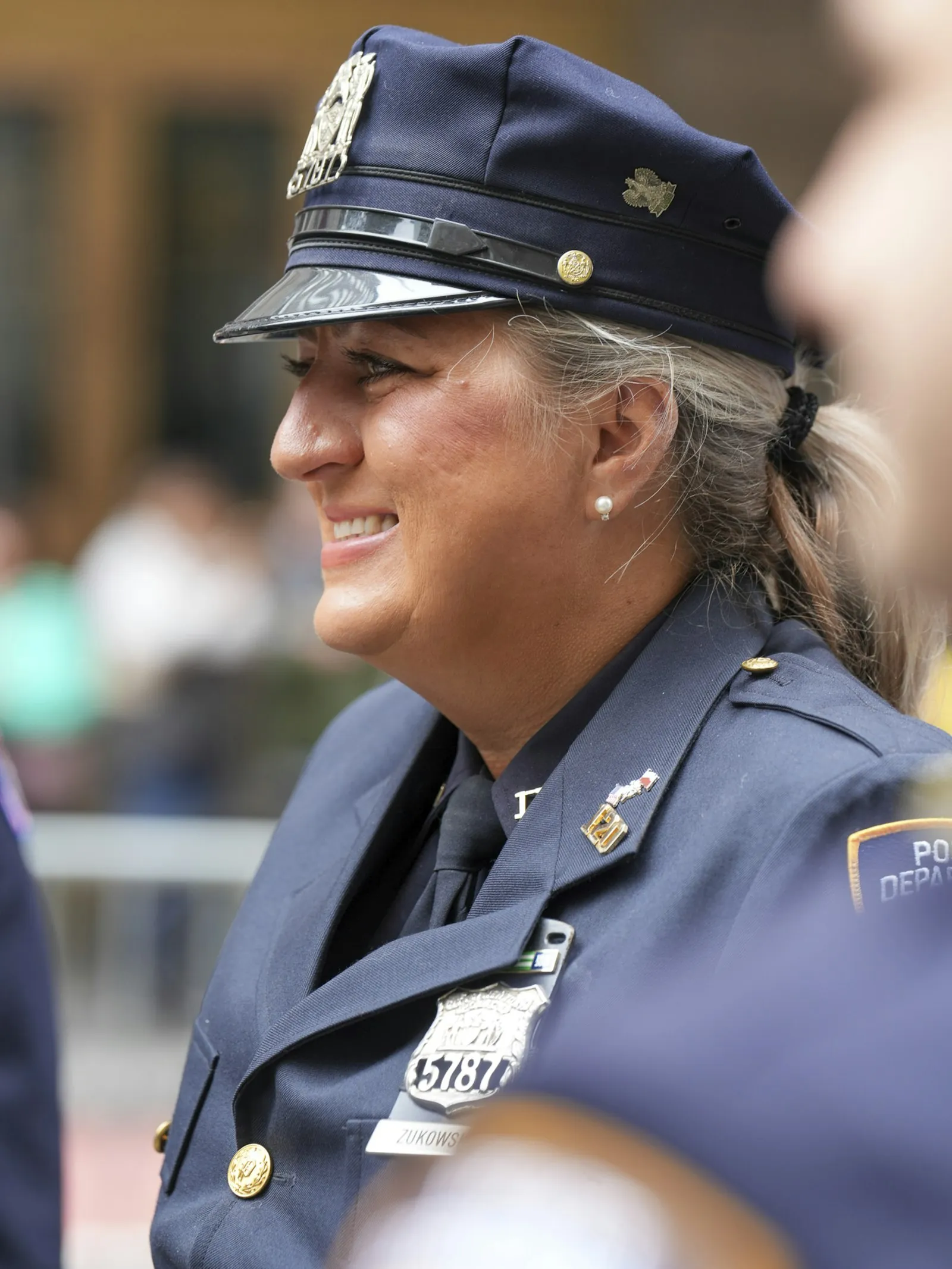
A police officer is a sworn public-safety professional who helps protect communities, respond to calls for help, enforce laws, and keep records of incidents. Day-to-day work can range from patrol and traffic safety to investigations and community outreach, depending on the agency.
Police work is carried out at several levels, including city, county, state and federal agencies. Each has its own mission, size, and hiring process, so the path to becoming an officer can look different from one place to the next.
In most states, officers must meet standards set by a state Peace Officer Standards and Training (POST) board or a similar body. These standards often cover things like training, background review and certification, but the specifics depend on where you want to work.
How it’s traditionally been approached
Many people begin by reading the minimum requirements posted by the agency they are interested in. These commonly address age, citizenship, education, driving history and background, but they differ widely, so checking each posting carefully matters.
The traditional path usually includes an application, written and physical assessments, interviews, a background investigation and medical and psychological screening. After a conditional offer, new recruits generally attend an academy and then complete supervised field training, though the order and length vary by agency.
Some people prepare by studying criminal justice, serving in the military, volunteering in their community, or working in related roles such as dispatch, corrections or security. None of these is a guaranteed route, and agencies decide for themselves what experience they value.
How the right employer may help
The right employer may help by explaining its hiring steps clearly, pointing you to its training academy, and describing what recruits can expect. A recruiter or hiring office is often a good first contact, and many agencies hold information sessions or ride-along programs, though availability varies.
A conversation with a recruiter is generally informational. You might learn about the process, the schedule, and how the agency supports new officers. Nothing about a conversation promises an interview or an offer, but it can help you decide if the agency is a good fit.
Good questions to ask include: What are the current requirements and how do they match my background? What does the academy involve, and are there costs or sponsorship options? How does field training work? What support exists for wellness and ongoing education? Veterans may also ask how military service is considered, and should confirm any veterans' preference with the agency, USAJOBS for federal roles, or the Department of Labor (VETS).
The bigger picture
Choosing a career in policing is a big decision that touches your whole life. The schedule, the responsibility and the exposure to stressful events can affect sleep, relationships, finances and peace of mind, so it helps to talk with family and with people who work in the field before you commit.
Taking care of yourself matters before and during a career like this. Staying physically active, building a support network and learning about the wellness resources an agency offers can all be part of a healthy approach. If you are going through a hard time, the 988 Lifeline is available, and Providers.plus can help you find wellness resources. Every person's path is different, and no approach is better than another.
Keep in mind
- Requirements for police officers vary by state, county and agency, so confirm current standards with the department and your state POST board.
- Never pay to apply for a law enforcement job, and never share bank details before a formal offer. Be cautious of anyone who guarantees a position.
- Agencies hire in line with equal opportunity rules, and no employer should screen applicants based on protected characteristics.
- 2A Careers is an independent directory, not a professional advisor, and we cannot promise a job, interview or hiring timeline.
Not sure where to start? Answer a few gentle questions and choose who you’d like to hear from.
Frequently asked questions
How do I become a police officer?
The usual steps are meeting an agency's minimum requirements, applying, completing testing and a background review, and then attending an academy. The exact steps differ by state and department, so confirm them with the agency you want to join. No path guarantees a job.
What are the basic requirements to be a police officer?
Requirements commonly include age, citizenship, education, a clean enough background and passing medical and fitness screening, but they differ by agency. Your state POST board and the department's job posting are the best sources for current standards.
Do I need a college degree to become a police officer?
It depends on the agency. Some departments ask for a high school diploma or equivalent, while others prefer or require college coursework. Check each agency's posting to see what applies.
How long does it take to become a police officer?
The timeline varies widely based on the agency's hiring process, background investigation and academy schedule. Ask the recruiter what to expect, and be wary of anyone promising a fast or guaranteed timeline.
Can veterans become police officers?
Yes, many veterans apply to law enforcement agencies, and some agencies may consider military service during hiring. Programs such as veterans' preference, SkillBridge or the GI Bill may be relevant, so confirm eligibility with the agency, USAJOBS, the VA, the Department of Labor (VETS) or your command.
How can I avoid police job scams?
Never pay a fee to apply and never share bank details before an official offer. Apply through the agency's official website or a trusted listing, and verify any recruiter by contacting the department directly.
Educational resource. 2A Careers shares general information and connects people with independent employers. It is not professional advice. Talk with a qualified professional about your own situation.