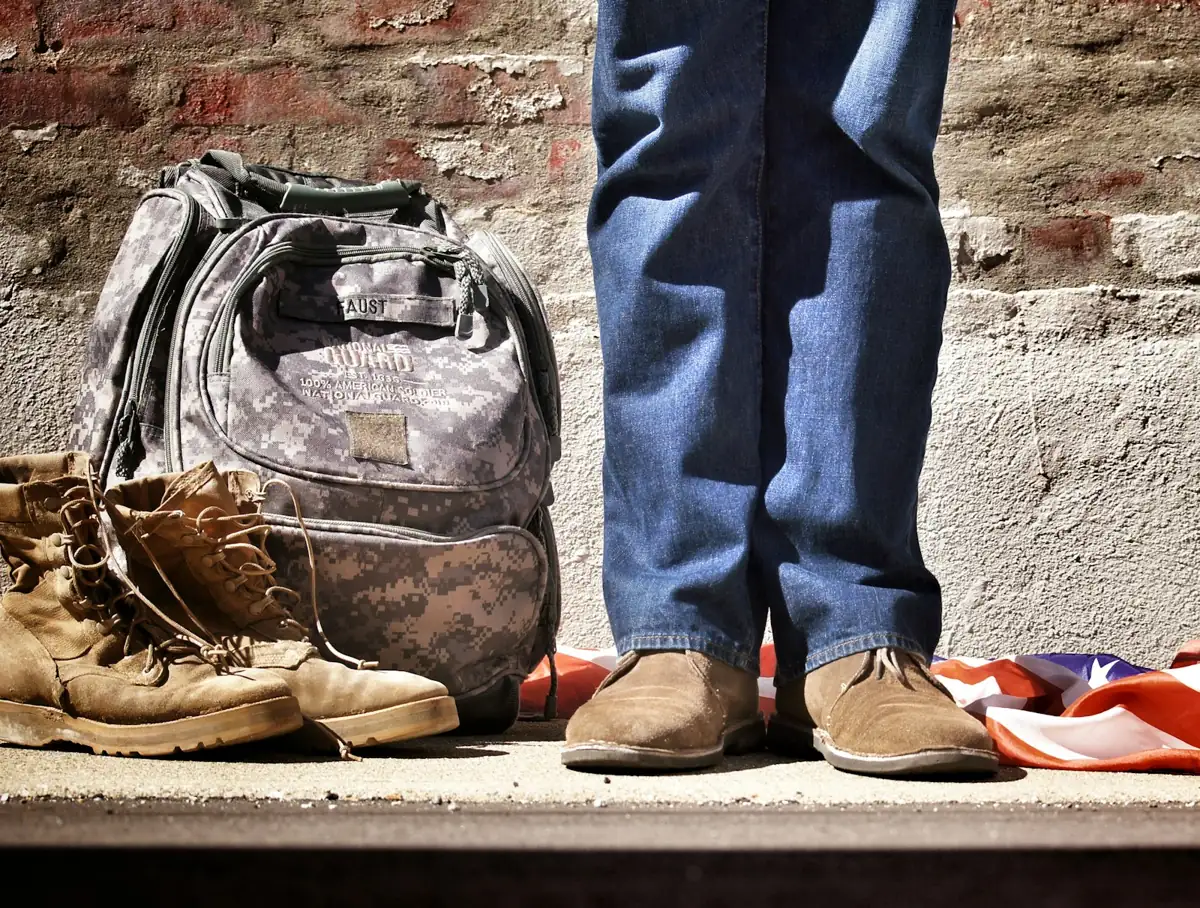
What it is
A military to civilian career transition is the process of leaving active service and finding work, training or education in the civilian world. It can involve paperwork, benefits decisions, résumé writing, networking and learning how civilian hiring works.
The process usually touches several areas at once: translating military experience into plain civilian language, exploring which industries value those skills, and understanding programs set up for service members, veterans and their families.
Everyone's path is different. Rank, job specialty, time in service, location and family situation all shape what a transition looks like, and there is no single right timeline.
How it’s traditionally been approached
Many service members have approached the transition through their installation's transition assistance program, which commonly offers workshops on résumés, interviews and benefits. Availability and content vary, so confirm details with your command.
Others have explored programs such as SkillBridge, which allows eligible service members to gain civilian work experience near the end of service, or education benefits such as the GI Bill. Eligibility rules apply, so confirm with your command, the VA or the Department of Labor (VETS).
Veterans have also pursued federal employment, where veterans' preference may apply, or used military skills translators, networking, and veteran-focused job boards. Trade licences, security roles, law enforcement and firearms-industry positions each have their own requirements that vary by state and agency.
How the right employer may help
The right employer may help by understanding how military experience, such as leadership, discipline, logistics, technical training and working under pressure, can apply to their roles. Some employers have experience working with veterans and may offer onboarding that feels familiar. This is a possibility, not a promise.
A first conversation with an employer is generally a chance to learn about the role, the team, the training offered and what a typical day looks like. Come ready to describe your experience in civilian terms, and know that you are also evaluating whether it is a fit.
Useful questions to ask include: What does training look like? Are there licences or certifications required, and who covers the process? Is there flexibility for family needs? Have you worked with veterans or military spouses before? Always confirm licensing, POST board standards and, for firearms-industry roles, that federal (ATF) and state rules are followed with a strong emphasis on safety.
The bigger picture
Leaving the military can affect more than a paycheck. Loss of routine, a shift in identity and uncertainty about money can weigh on sleep, mood and relationships, and it is normal to feel excited and anxious at the same time. Talking with family, peers or a trusted professional can help, and if you are ever in crisis, the 988 Lifeline (press 1 for the Veterans Crisis Line) is available.
Taking a whole-person view means thinking about health coverage, household finances and your own pace, not only the next job. Providers.plus may be one place to look for care options as you plan. No approach is wrong, and a steady, realistic plan often brings more peace of mind than a rushed one.
Keep in mind
- Eligibility for SkillBridge, the GI Bill, veterans' preference and other programs varies, so confirm with USAJOBS, the VA, the Department of Labor (VETS) or your command.
- No directory, employer or program can guarantee a job, an interview, a salary or a hiring timeline.
- Watch for job scams: never pay to apply, and never share bank details before a formal offer.
- Licensing and hiring requirements differ by state and agency, so check with the relevant board, agency or program. Employers should consider all applicants fairly regardless of protected characteristics.
Guides in this topic
Employer types
Frequently asked questions
What is a military to civilian career transition?
A military to civilian career transition is the process of moving from service to civilian work, training or education. It often includes translating your skills, learning about benefits and programs, and searching for employers that fit your goals.
What is the SkillBridge program?
SkillBridge is a Department of Defense program that may let eligible service members gain civilian work experience during their final period of service. Eligibility and approval depend on your command, so confirm details with them before planning around it.
What jobs can I get after the military?
Many fields may value military experience, including logistics, technology, skilled trades, security, healthcare, management and public service. What is available to you depends on your background, location, licences and the employer, and nothing is guaranteed.
When should I start planning my transition?
Starting early is generally helpful because programs, paperwork and training can take time. Your installation's transition office and command can explain current timelines and requirements for your situation.
How does a military skills translator work?
A military skills translator is a tool that compares your job code or specialty with civilian job descriptions and language. Treat the results as a starting point for your résumé, and adjust them to match each role you apply for.
Are there jobs for military spouses?
Yes, many employers hire military spouses, and some offer remote or flexible roles that suit frequent moves. Licensing portability and hiring practices vary by state and employer, so confirm requirements with the relevant board or employer, and never pay to apply.
Educational resource. 2A Careers shares general information and connects people with independent employers. It is not professional advice. Talk with a qualified professional about your own situation.