What it is
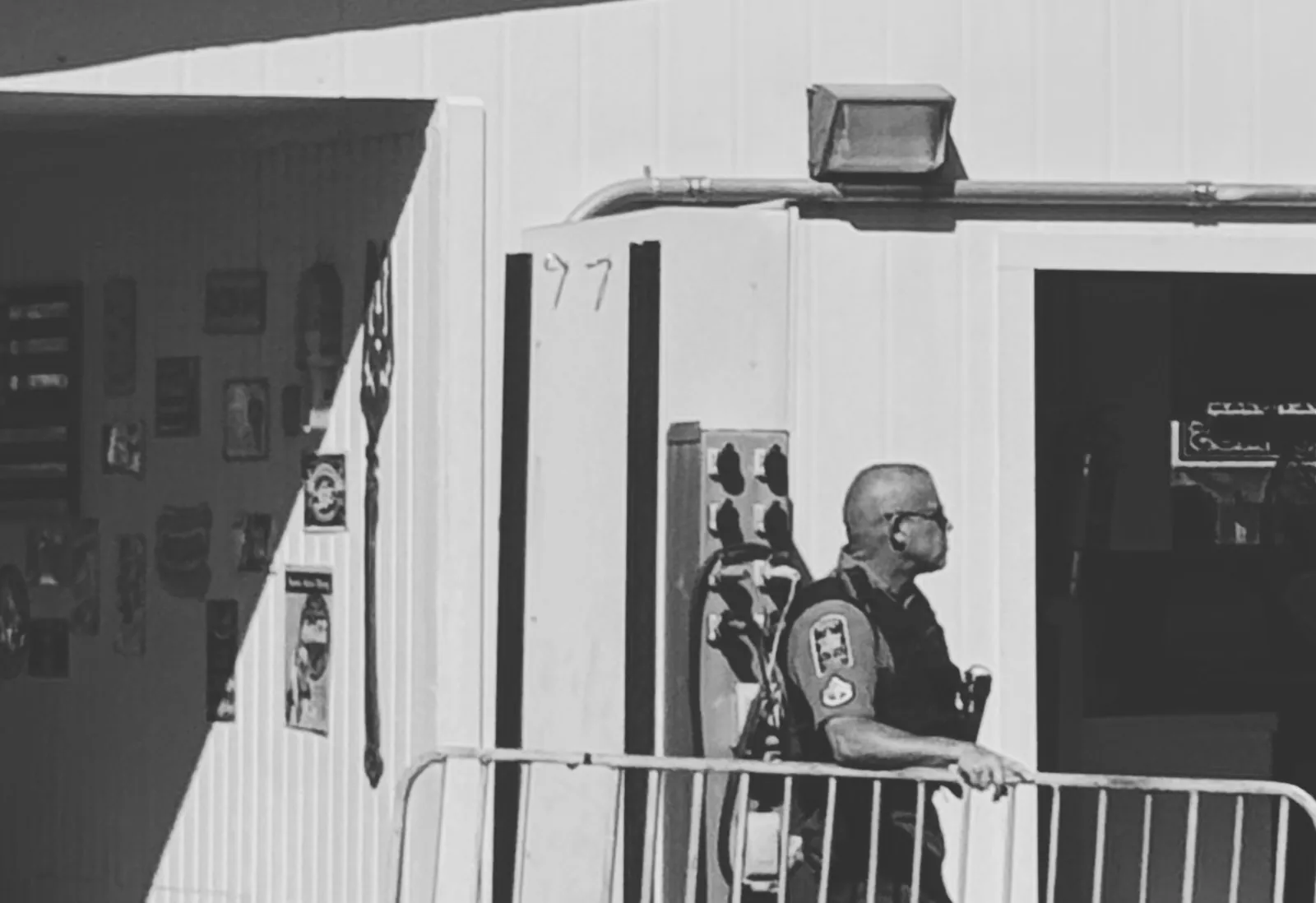
Armed security guard jobs are positions where a guard is authorized by an employer, and by the state or other licensing authority, to carry a firearm while on duty. Typical settings can include commercial buildings, critical facilities, cash handling, events and other sites where the employer has decided an armed presence is appropriate.
The work is mostly about observation, deterrence, access control, reporting and calm communication. Many shifts are quiet and routine, and good judgment, de-escalation and documentation are often as important as firearms skill.
Armed roles are generally more regulated than unarmed ones. Requirements differ by state and sometimes by agency or client, so always confirm what applies with your state licensing board or the employer directly.
How it’s traditionally been approached
People have traditionally started in unarmed security or come in from military, law enforcement or corrections backgrounds. Some employers look for prior service or related experience, while others train new hires through their own programs.
The usual path involves a state-issued security guard licence, an additional armed endorsement or permit, approved firearms training and qualification, and a background check. Exact steps, training hours and eligibility rules vary by state, and some states use different agencies or boards to oversee them.
Veterans sometimes explore these roles because of familiarity with structured environments and safety culture. Programs such as SkillBridge, the GI Bill and veterans' preference are described differently by each program, so confirm eligibility with your command, the VA, the Department of Labor (VETS) or USAJOBS.
How the right employer may help
The right employer may help by explaining clearly which licences and permits a position requires, what training they provide or support, and how qualification works. A good conversation with an employer usually covers the site type, shift patterns, post orders and how incidents are reported.
Questions worth asking include: Which state licence and armed endorsement are required, and who arranges and pays for training? What are the use-of-force and reporting policies? What insurance and supervision structure is in place? How does the company handle ongoing firearms requalification?
A responsible employer may also help you understand legal duties, safety practices and the limits of the role. Firearms-related businesses are subject to federal (ATF) and state rules, and a thoughtful employer will treat safe handling, secure storage and clear policy as non-negotiable.
The bigger picture
Armed security work can carry real responsibility, and that can affect sleep, stress and how you feel after long or overnight shifts. Thinking honestly about schedule, commute, pay stability and how the role fits your life can bring more peace of mind before you commit.
Some people also find it helpful to plan for downtime, support from family or peers, and healthy routines. If you are looking for wellbeing resources alongside a career change, Providers.plus may be one place to explore. If you ever feel in crisis, the 988 Lifeline is available.
Keep in mind
- Licensing, training and hiring requirements vary by state and agency, so confirm with your state board or the employer before investing time or money.
- Never pay to apply for a job, and never share bank details or sensitive personal information before a legitimate offer.
- Employers should evaluate candidates fairly and in line with equal opportunity rules, not on protected characteristics.
- Listings on 2A Careers are educational and do not guarantee a job, interview, salary or timeline; some partner links may earn us a referral fee, with no income claims.
Not sure where to start? Answer a few gentle questions and choose who you’d like to hear from.
Frequently asked questions
What are armed security guard jobs?
Armed security guard jobs are security positions in which the guard is authorized to carry a firearm on duty. They usually require a state licence, an armed endorsement or permit, and approved firearms training. Requirements vary by state and employer.
What do I need to become an armed security guard?
Most states require a guard licence, a background check, and completion of firearms training and qualification. Some also set age, residency or eligibility rules. Confirm the exact steps with your state licensing board or the hiring company.
Can veterans get armed security guard jobs?
Many employers value military experience, but hiring is never guaranteed and still depends on state licensing and the employer's standards. Veterans can ask their command, the VA or the Department of Labor (VETS) about programs like SkillBridge or the GI Bill.
Do armed security guards need to start in unarmed roles?
Not always. Some people begin in unarmed positions, while others qualify for armed roles directly through prior experience or training. It depends on the state, the employer and the site.
Who pays for armed guard training and licensing?
It varies. Some employers cover or reimburse training and fees, and others expect candidates to arrive already licensed. Ask the employer before you enroll, and never pay a fee just to apply.
How can I avoid armed security job scams?
Be cautious of any posting that asks you to pay to apply, requests bank details before an offer, or promises guaranteed hiring. Verify the company, contact it through official channels, and confirm licensing information with your state board.
Educational resource. 2A Careers shares general information and connects people with independent employers. It is not professional advice. Talk with a qualified professional about your own situation.