What it is
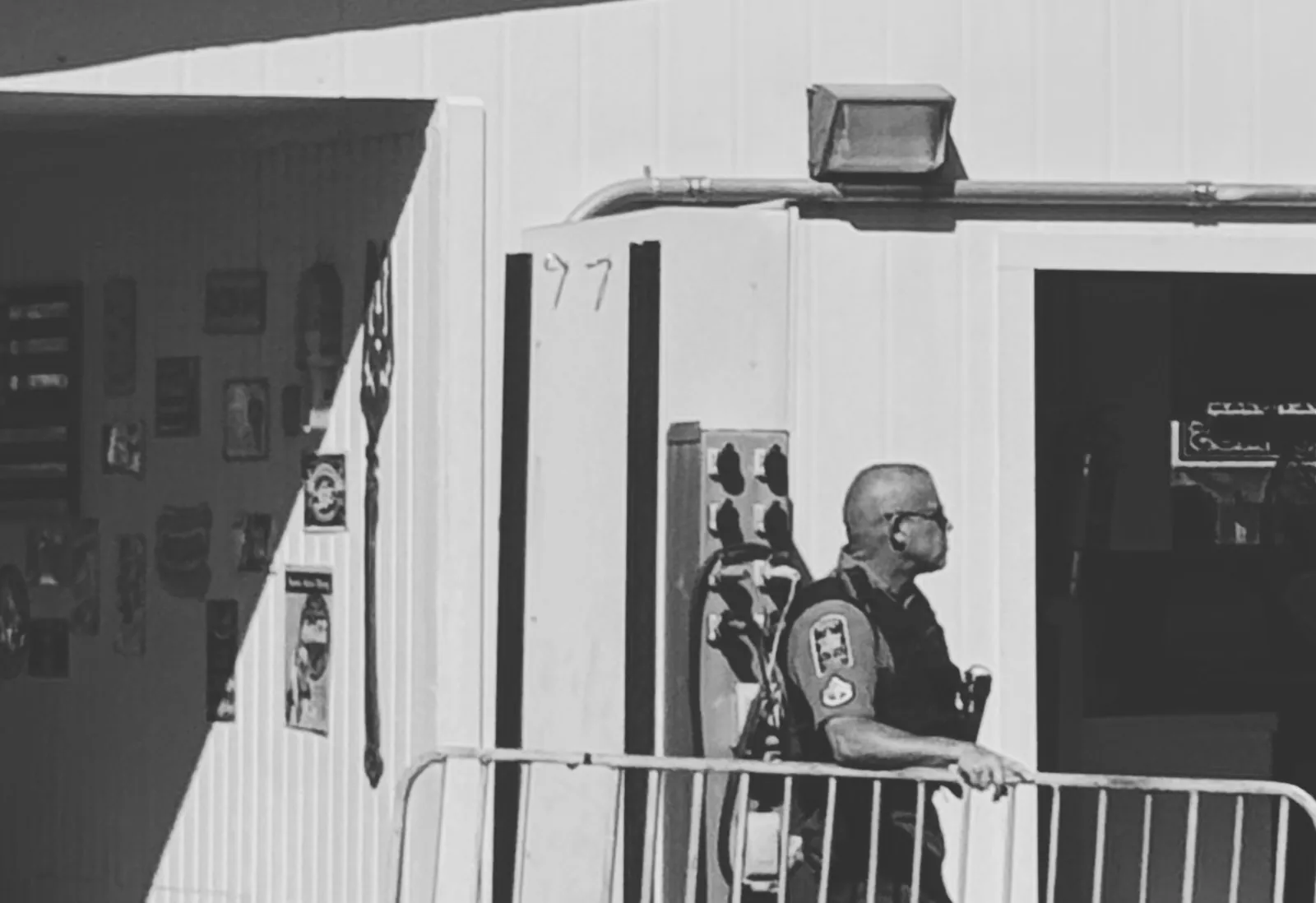
Private security careers are jobs with non-government employers that focus on protecting people, buildings, equipment and information. Examples can include uniformed officers at a facility, patrol work, event staff, loss prevention, alarm and surveillance monitoring, and corporate or executive protection.
Unlike public law enforcement, private security staff generally work for a company or contractor and follow the rules of the site and the law. Their authority is typically different from that of a sworn police officer, and it varies by state.
The field also includes supervisory, training, investigations and security management roles. Some people stay in front-line positions, while others move into specialized or leadership work over time, depending on the employer and their own goals.
How it’s traditionally been approached
Traditionally, many people have entered private security through entry-level officer or monitoring positions. These roles often involve a background check, a state-required training course, and a licence or registration, depending on where you live.
Military veterans and former public-safety workers have often looked at this field because their training in discipline, observation and teamwork may carry over. Others come from customer service, hospitality or retail backgrounds.
Some people move between private security and law enforcement, while others choose one path. Requirements for police officers, such as standards set by state POST boards, differ from those for security guards, so it helps to research each separately.
How the right employer may help
The right employer may help by explaining the role clearly, including the duties, schedule, site type and any licence or training the job requires. A good employer may also describe how its onboarding works and whether it supports ongoing training.
When you speak with an employer, you might ask which state licences or registrations are needed, who pays for required training, what a typical shift looks like, and how safety and incident reporting are handled. If a role involves firearms, ask about the applicable federal (ATF) and state rules and the employer's safety practices.
You can also ask about advancement options, how the company handles equal opportunity and accommodations, and whether it works with veteran programs. Veterans may confirm eligibility for things like veterans' preference, SkillBridge or GI Bill benefits with USAJOBS, the VA, the Department of Labor (VETS) or their command. No employer can promise a job, interview or outcome.
The bigger picture
Choosing a career in security is about more than a job title. Shift schedules, time on your feet, and the responsibility of staying alert can affect sleep, energy and family life, so it helps to think about what rhythm of work suits you. Many people also find meaning and steadiness in a role that serves their community.
Peace of mind often comes from understanding your options before you commit, including licences, training and the work environment. If you want support thinking through the bigger picture, Providers.plus is one resource for exploring whole-person wellbeing. Every path has its own strengths, and the right fit is personal.
Keep in mind
- Licensing and hiring requirements vary by state and agency, so confirm details with your state licensing board, POST board or the employer before applying.
- Beware of job scams: never pay to apply, and never share bank details before a legitimate offer.
- Firearms-related roles are subject to federal (ATF) and state rules, and safety should always come first.
- 2A Careers is an independent directory, not a professional advisor, and cannot guarantee any job, interview, pay or hiring timeline.
Not sure where to start? Answer a few gentle questions and choose who you’d like to hear from.
Frequently asked questions
What are private security careers?
Private security careers are jobs with non-government employers that help protect people, property and information. They can include officer, patrol, monitoring, loss prevention and executive protection roles. Specific duties and requirements vary by employer and state.
Do I need a licence for private security work?
In many states, yes, but requirements vary. Some states require training, a background check and a registration or licence for security officers. Confirm the rules with your state licensing agency or the employer.
Are there jobs for veterans in private security?
Some employers in the security field are interested in hiring veterans, but no job is guaranteed. Veterans may explore programs like SkillBridge or GI Bill benefits, and should confirm eligibility with the VA, the Department of Labor (VETS) or their command.
Is private security the same as law enforcement?
No. Private security officers work for a company or contractor, while police officers are sworn public employees. Police standards are set by state POST boards, and the authority of each role differs by state.
Can I work armed in private security?
Sometimes, but armed roles usually have extra requirements. Federal (ATF) and state rules may apply, and many states require separate training or permits. Always confirm with your state agency and put safety first.
How can I avoid job scams when searching for security jobs?
Never pay to apply, and never share bank details before a real offer. Be cautious of postings that seem vague or ask for money for training or equipment. Verify the employer through official channels before sharing personal information.
Educational resource. 2A Careers shares general information and connects people with independent employers. It is not professional advice. Talk with a qualified professional about your own situation.