What it is
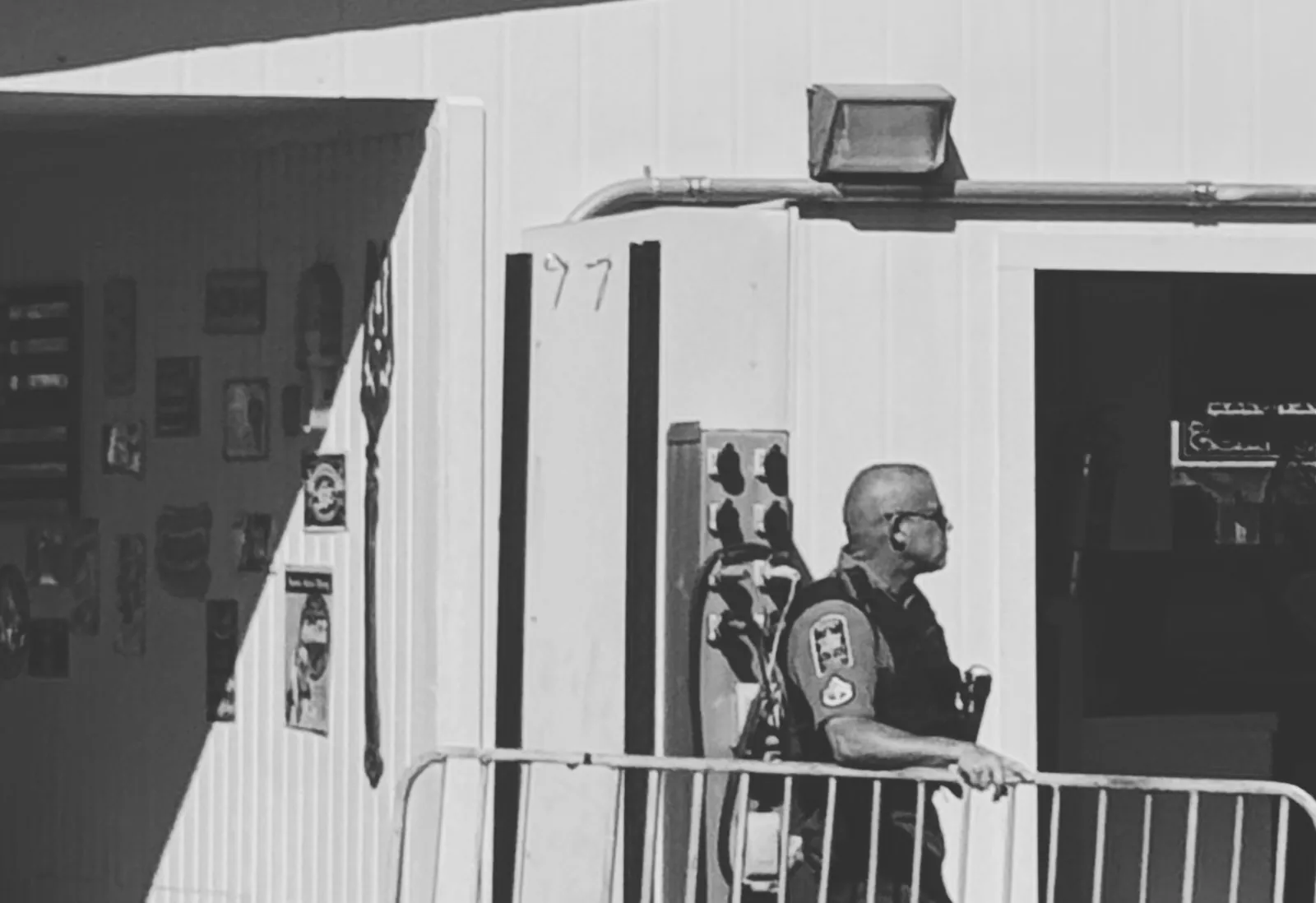
A security officer is a person employed to help keep a site safe. That can mean watching entrances, walking patrols, checking identification, monitoring cameras, writing reports and calling for help when something goes wrong. Work settings can include office buildings, hospitals, schools, retail stores, event venues, warehouses and residential communities.
Security officers are different from sworn police officers. Police officers are government employees with arrest powers set by law and state standards, while many security officers work for private companies or for the organization whose property they protect. Some roles are unarmed and some are armed, and each comes with its own training and licensing expectations.
Because rules differ by state and sometimes by city or county, the requirements for a position near you may not match those elsewhere. Typical items an employer or state may ask about include age, background checks, required training courses and a state-issued licence or registration. Always confirm the details with your state licensing agency or the hiring employer.
Armed roles add extra layers. Federal and state firearms laws apply, and employers that operate as firearms businesses are also subject to ATF and state rules. Safety is the first priority in any role that involves a firearm.
How it’s traditionally been approached
Many people have found security work by searching local job boards, visiting company career pages, or contacting security companies that serve their area. Others hear about openings through word of mouth, community connections or staffing agencies that place workers at client sites.
Entry into the field has often involved completing a state-approved training course, passing a background check, and applying for a licence or guard card where the state requires one. Some employers provide or arrange training after hiring, while others prefer candidates who already hold the needed credentials. This varies widely, so check before you spend time or money.
Veterans and people with military or law enforcement backgrounds have often looked at security work because of familiar skills such as situational awareness, discipline and following procedures. Federal hiring programs, veterans' preference, SkillBridge, GI Bill and VA benefits work under specific rules, so confirm eligibility with USAJOBS, the VA, the Department of Labor (VETS) or your command.
How the right employer may help
The right employer may help you understand what a role really involves before you commit. A good hiring conversation can explain the site, the shift patterns, the level of responsibility and whether the position is armed or unarmed. It may also clarify which licences or training are required and who arranges them.
When you speak with an employer or recruiter, consider asking: What licences or registrations does this role require in our state? Is training provided, and is it paid? What does a typical shift look like? Who would I report to? How are incidents documented and supported? There is no single right answer, and these are simply conversation starters.
A thoughtful employer may also talk openly about safety, de-escalation expectations and opportunities to grow, such as supervisor roles or specialized assignments. Employers must follow equal opportunity rules, so hiring decisions should rest on job-related qualifications. Be cautious of anyone who asks you to pay to apply or requests bank details before a formal offer, as these are common signs of a job scam.
The bigger picture
Choosing a security career can affect more than your schedule. Night shifts, standing for long periods and staying alert for hours can be tiring, while a steady routine and a sense of purpose can feel rewarding to many people. Thinking honestly about your energy, family life and stress tolerance can help you pick a role that fits.
Money and peace of mind matter too. It can help to look at the full picture of a position, including scheduling, training costs and the commute, rather than only the first listing you see. If you are weighing a career change alongside health or personal considerations, Providers.plus can be one place to explore supportive resources. No path is better than another, and the right fit is personal.
Keep in mind
- Licensing and hiring requirements for security officers vary by state, county and employer, so confirm them with your state licensing agency or the hiring company.
- Armed positions involve additional federal and state rules, including ATF requirements for firearms businesses, and they place a strong emphasis on safety and training.
- Never pay to apply for a job and never share bank details before a formal offer; report suspicious postings to the job board where you found them.
- This directory educates and lists possibilities only; it cannot guarantee a job, an interview, a hiring timeline or any income.
Not sure where to start? Answer a few gentle questions and choose who you’d like to hear from.
Frequently asked questions
How do I find security officer jobs near me?
Start by searching local job boards, security company career pages and staffing agencies that serve your area. You can also ask people you know who work in the field. Confirm each employer's requirements and check that the posting is legitimate before you apply.
Do I need a licence to work as a security officer?
It depends on your state and sometimes your locality. Many states require a licence, registration or approved training, while others leave more to the employer. Check with your state's licensing agency or the hiring company to learn what applies to you.
Can I get a security officer job without experience?
Some employers hire people new to the field and may provide or arrange training, but this varies by company and role. Meeting any required state licensing steps is usually part of the process. Ask each employer what they look for and what support they offer.
What is the difference between armed and unarmed security officer jobs?
Unarmed officers observe, report and use communication skills, while armed officers carry a firearm as part of the role. Armed positions typically involve additional training, licensing and legal requirements under federal and state rules. Safety is the central focus of any armed role.
Are there security officer jobs for veterans?
Many veterans explore security work because of related skills and experience, and some employers value that background. Veterans' preference, SkillBridge, GI Bill and VA programs have specific eligibility rules. Confirm your options with USAJOBS, the VA, the Department of Labor (VETS) or your command.
How can I tell if a security job posting is a scam?
Be cautious if you are asked to pay a fee to apply, to buy equipment up front, or to share bank details before receiving an offer. Real employers generally do not require these. Verify the company independently and report suspicious listings to the site where you found them.
Educational resource. 2A Careers shares general information and connects people with independent employers. It is not professional advice. Talk with a qualified professional about your own situation.