What it is
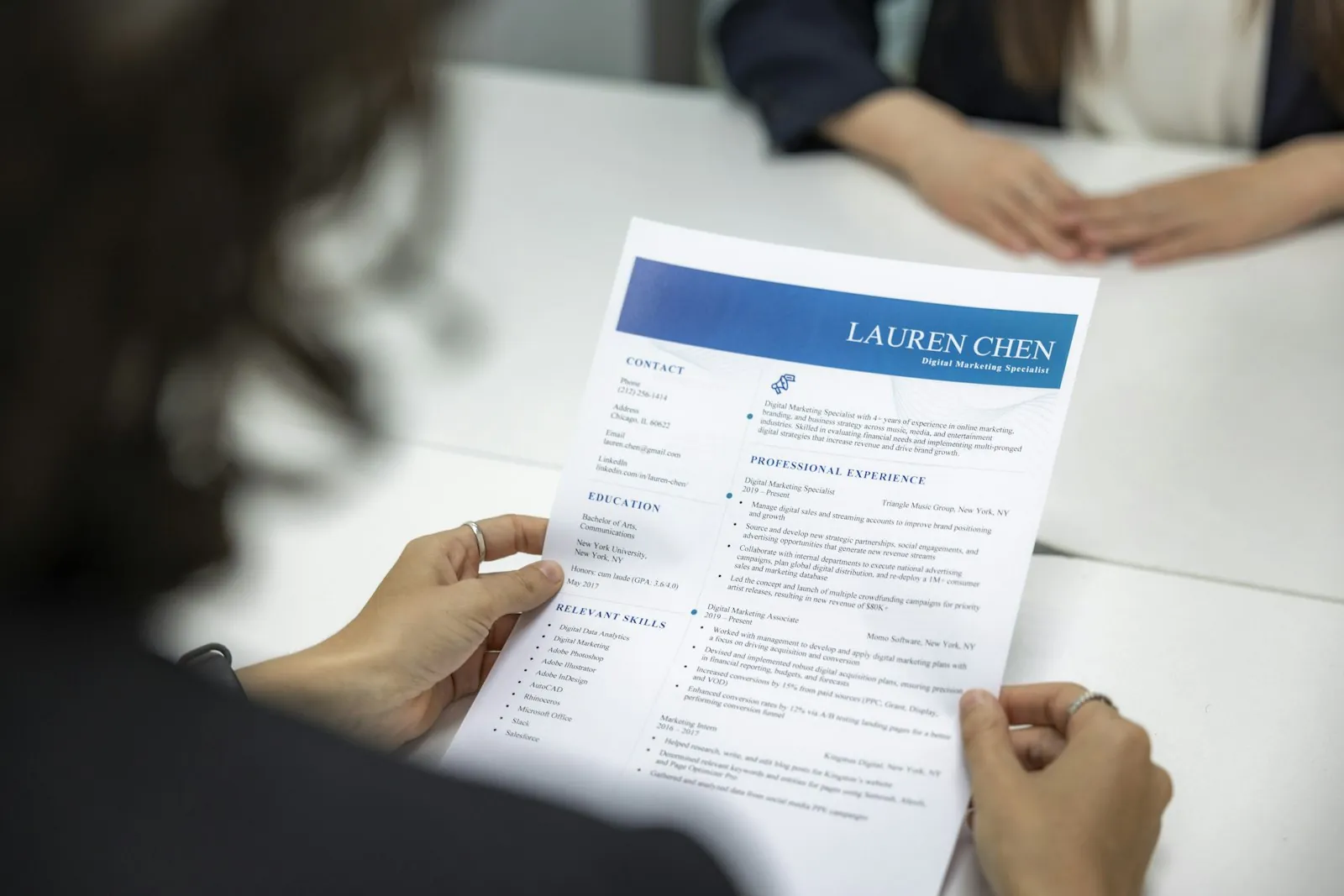
Résumé and interview help is the practice of presenting your experience clearly so an employer can see how it fits an open role. For veterans, that often means translating military duties, rank, awards and training into plain, skills-based language.
A military résumé translation usually replaces acronyms and unit jargon with everyday terms: leadership, logistics, safety, equipment care, teamwork under pressure. A federal résumé is a different format used for government postings, and it is often longer and more detailed than a private-sector one.
Cover letters and interviews complete the picture. A cover letter for veterans gives a short, personal explanation of why you want a role, while interview skills help you tell your story out loud. Fields such as law enforcement, security and the firearms industry may also ask for licences, certifications or background checks, which vary by state and agency.
How it’s traditionally been approached
Many veterans have traditionally started with the career or transition office on a base, or with the transition classes offered as service ends. These often cover basic résumé structure, networking and how to describe military roles in civilian terms.
Others have turned to veterans' service organizations, community workforce centers, mentors, friends who have made the same move, or paid writing services. Some people write their first draft alone and ask someone they trust to review it. Each route can work, depending on your goals and comfort level.
Federal hiring has its own traditions. Applicants usually apply through USAJOBS, and veterans' preference may apply for some candidates. Programs such as SkillBridge, the GI Bill and VA services are described by their own agencies, so confirm eligibility with USAJOBS, the VA, the Department of Labor (VETS) or your command.
How the right employer may help
The right employer may help by being open about how they read applications. Some employers are used to military backgrounds and may understand your experience more easily. Others may need you to explain it clearly, which is where a well-translated résumé can be useful.
A typical interview is a conversation about your experience, how you work with others and how you handle challenges. Many employers use a mix of questions about past situations and about the role itself. Preparing a few honest stories from your service can make it easier to answer calmly. Employers should evaluate candidates on job-related qualifications and should not screen by protected characteristics.
Good questions to ask include: What does a typical day in this role look like? What training or onboarding is offered? Which licences or certifications does the role require, and who confirms them? How are applications reviewed and what are the next steps? For law enforcement, check your state POST board or the hiring agency. For security guard licences, trade licences or apprenticeships, check the state board or program. For firearms-industry roles, remember that federal (ATF) and state rules apply to FFL businesses and their employees, and that safety comes first.
The bigger picture
Putting your career on paper can feel personal. Many veterans find it hard to describe their work in a way that feels accurate without sounding like bragging, and that is a normal feeling. Taking it in small steps, such as one role or one accomplishment at a time, may ease the pressure.
The job search also affects finances, routine and peace of mind. Allowing time to rest, asking people you trust for feedback and keeping a steady daily rhythm can all help. If stress ever feels overwhelming, the 988 Lifeline (press 1 for the Veterans Crisis Line) is available. Providers.plus may also be a helpful place to look for wellness resources.
Keep in mind
- Never pay to apply for a job, and never share bank details or a Social Security number before a legitimate offer. Be cautious of postings that seem too good to be true.
- No résumé, cover letter or interview approach can guarantee a job, an interview, a salary or a hiring timeline.
- Licensing and hiring requirements vary by state and agency, so confirm details with the agency, state board or program directly.
- Some partner or affiliate resources on this site may earn us a referral fee. They are not job offers, and we make no income or earnings claims.
Guides in this topic
Employer types
Frequently asked questions
What is the best way to get resume help as a veteran?
The best way depends on your goals, but many veterans start with a transition office, a veterans' service organization or a workforce center. Having a trusted person review your draft can also be useful. Whatever you choose, never pay anyone who promises a guaranteed job.
How do I write a military resume for a civilian job?
Start by replacing acronyms and unit jargon with plain terms that describe what you did and the results. Focus on skills like leadership, training, safety and teamwork, and match your wording to the job posting. Keep it honest and easy to scan.
How is a federal resume different from a regular resume?
A federal résumé is usually more detailed than a private-sector one and follows the instructions in each USAJOBS posting. It often includes specifics like duties, hours and supervisory experience. Read each announcement carefully and confirm requirements and veterans' preference eligibility with USAJOBS or the hiring agency.
What should a resume for law enforcement include?
A résumé for law enforcement often highlights relevant training, certifications, leadership, community or security experience and a clean record of service. Requirements differ by state and agency, so check your state POST board and the hiring department directly. Be truthful, since background checks are common.
What are some good interview tips for veterans?
Practice a few real examples from your service and explain them in plain language, focusing on what you did and what you learned. Research the employer, and prepare questions about the role. It is also fine to take a moment before answering.
Do veterans need a cover letter?
A cover letter for veterans is not always required, but it can help you explain your transition and why a role interests you. Keep it short, specific and friendly. Follow the posting's instructions, since some employers or federal announcements ask for different materials.
Educational resource. 2A Careers shares general information and connects people with independent employers. It is not professional advice. Talk with a qualified professional about your own situation.