What it is
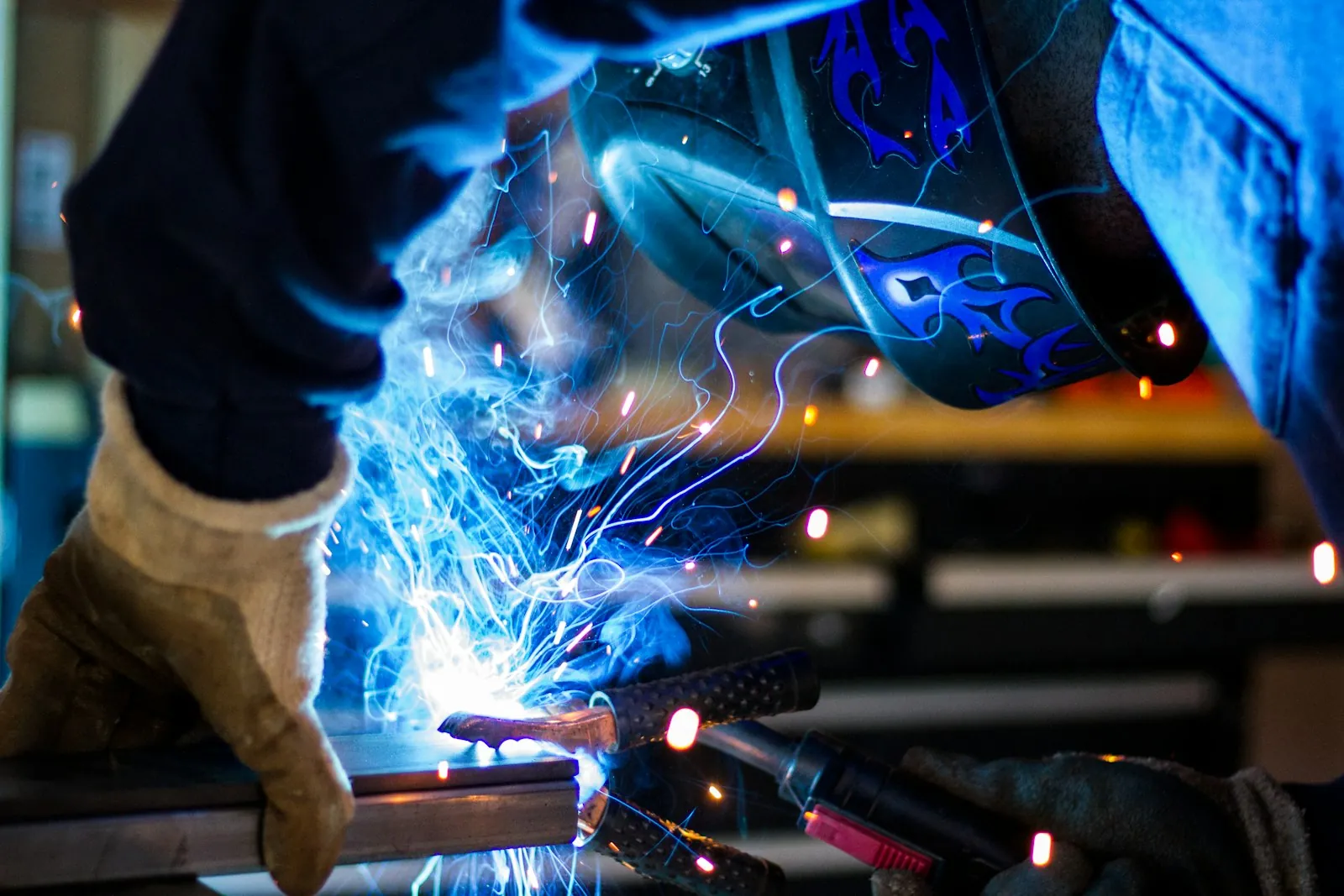
Skilled trades are careers that rely on specialized hands-on knowledge, technical know-how and practiced craft. Common examples include electricians, welders, HVAC technicians, plumbers, carpenters, machinists and linemen. Many people explore them because the skills can be used in different places and settings.
Trade work often combines safety knowledge, reading plans or diagrams, using tools and equipment, and solving problems on site. Each trade has its own vocabulary, standards and codes. Learning them takes time, practice and guidance from experienced people.
Many trade jobs that pay well are described that way because skill and experience can matter a great deal. No employer can promise a particular outcome, and results vary by trade, region, employer and individual. Treat any claim about pay or demand as something to verify with local employers and programs.
Veterans often bring discipline, teamwork, technical training and a safety mindset that translate to trade settings. How military experience counts toward a trade program or credential differs by program and state, so ask directly.
How it’s traditionally been approached
The classic route into the trades is the apprenticeship. An apprentice works for an employer, learns from experienced journey-level workers, and usually also completes classroom instruction. Apprenticeship programs may be run by unions, employer associations or individual companies.
Other people start with a trade school, community college course or certificate program, then look for entry-level or helper positions. Some move in from related work, such as military technical roles or general construction labor. Each route has its own time commitment and structure.
Licensing and certification differ widely. Electricians, HVAC technicians, welders and utility workers may need state or local licences, manufacturer or industry certifications, or specific safety training. Requirements vary by state and agency, so confirm them with your state licensing board, the program or the employer.
How the right employer may help
The right employer or program may help by pairing you with experienced mentors, teaching safety practices, and giving you structured, supervised experience as you build skills. A good one is clear about what you will learn, how your hours are tracked and what credentials the path may lead toward. It is a possibility, not a guarantee of any result.
When you talk with an employer or apprenticeship sponsor, a conversation generally covers your interest, your background and the basics of the work. Practical questions to bring include: Is this a registered apprenticeship? How is training structured? What tools, safety gear or schooling are expected? How are hours counted toward licensing?
Veterans may also ask about military credit, the GI Bill, SkillBridge and Department of Labor (VETS) resources. Confirm eligibility with the VA, the Department of Labor (VETS) or your command. Ask any employer to describe the role in writing, and never pay to apply or share bank details before a real offer.
The bigger picture
Choosing a trade is a whole-person decision. Physical demands, schedules, travel, weather exposure and time away from family can all affect wellbeing, so it helps to picture a regular day on the job. Many people also weigh the financial side of learning while working against the cost of schooling.
Peace of mind often comes from knowing the path: what training is required, who supports you, and what the next step looks like. If you want help thinking through wellbeing during a career change, Providers.plus is one resource you may explore. No path is right for everyone, and every approach has its place.
Keep in mind
- Requirements for licences, apprenticeships and certifications vary by state, agency and program, so always confirm with the source.
- Safety comes first in every trade; legitimate employers train on it and provide proper protective equipment.
- Job listings are not guarantees of an interview, job offer, schedule or income.
- Beware of scams: never pay to apply, and never share bank details before a verified offer.
Guides in this topic
Employer types
Frequently asked questions
What are skilled trades jobs?
Skilled trades jobs are hands-on careers that require specialized training, such as electrician, welder, HVAC technician and lineman roles. People often learn them through apprenticeships, trade schools or on-the-job training. Requirements vary by trade and state.
What are trade jobs that pay well?
Pay in the trades depends on the trade, location, experience, employer and licensing, and nothing is guaranteed. Rather than relying on general claims, ask local employers, unions and programs what the work typically involves. Compare roles using current, local information.
How do apprenticeship programs work?
Apprenticeship programs combine paid on-the-job training with related classroom instruction under experienced workers. Length, structure and entry requirements differ by sponsor and trade. Ask whether a program is registered and how your hours and coursework are documented.
How do I become an electrician through an apprenticeship?
An electrician apprenticeship generally involves supervised work experience plus classroom study, followed by licensing set by your state. Entry steps and exam rules vary, so contact your state licensing board and the program sponsor. Ask about application windows and any aptitude requirements.
Are there jobs for veterans in the skilled trades?
Yes, many employers and programs welcome veterans into trades such as welding, HVAC and electrical work, though no placement is guaranteed. Veterans may explore SkillBridge, GI Bill options and Department of Labor (VETS) resources. Confirm eligibility with the VA, DOL VETS or your command.
Do I need a licence for welding, HVAC or lineman jobs?
It depends on the trade, the employer and your state. Welding jobs often involve employer or industry certifications, HVAC technician jobs may require refrigerant handling certification and state licences, and lineman jobs usually involve specialized training and safety qualifications. Confirm specifics with the state board, employer or program.
Educational resource. 2A Careers shares general information and connects people with independent employers. It is not professional advice. Talk with a qualified professional about your own situation.