What it is
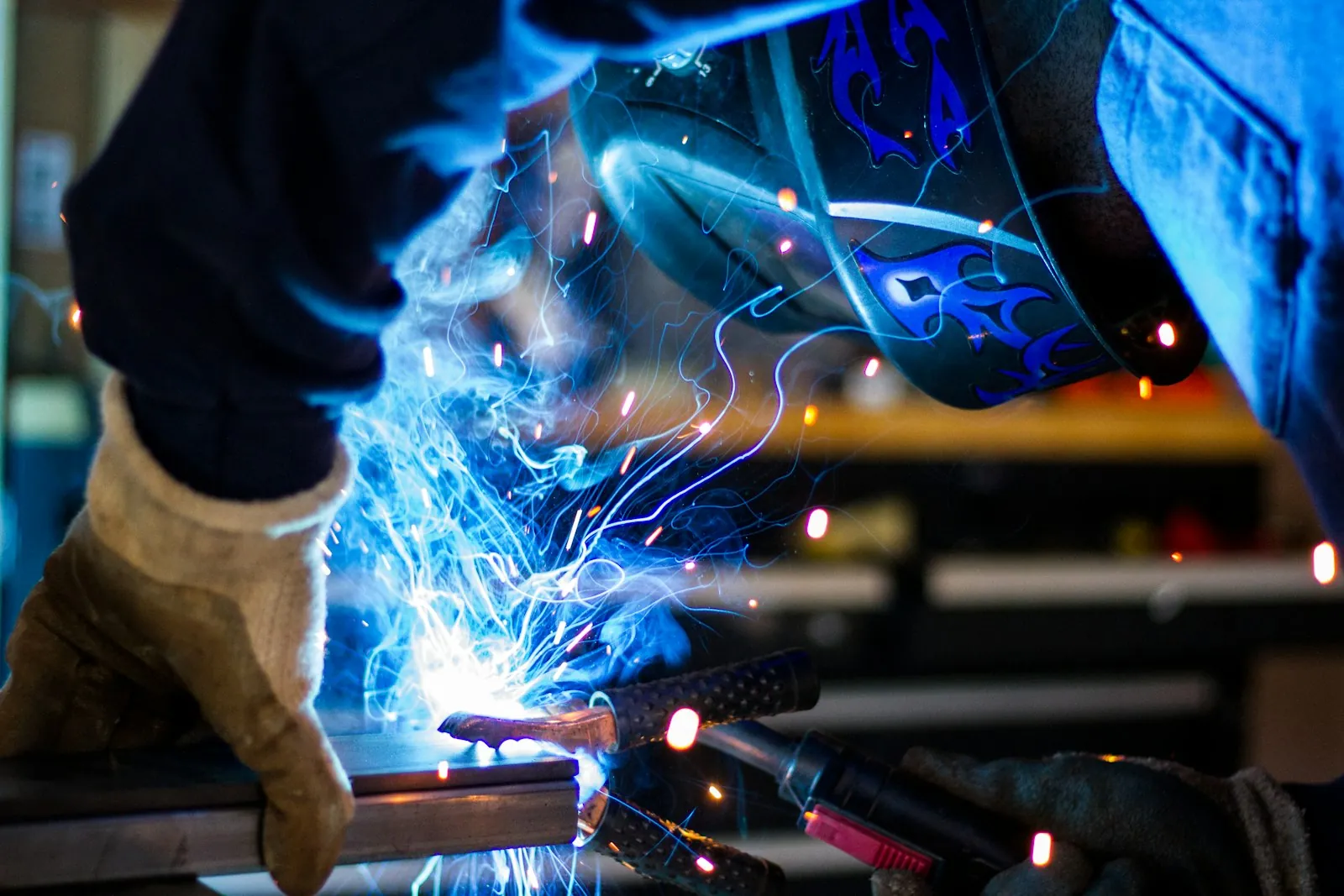
Skilled trades jobs are occupations where people build, install, maintain or repair things using specialized technical skills. Common areas people think of include electrical work, plumbing, HVAC, welding, carpentry, machining and heavy equipment operation.
Unlike many desk-based roles, trades work is usually learned through a mix of classroom instruction and supervised, hands-on practice. Skills are often built step by step, with experience adding responsibility over time.
Many trades also involve safety rules, codes and licensing. Requirements differ by state, local jurisdiction and trade, so it is important to confirm what applies where you live.
How it’s traditionally been approached
The traditional route into the trades has been an apprenticeship, where a person works alongside experienced professionals while also completing related instruction. Some people instead attend a trade or technical school, community college program, or start in an entry-level helper role.
Many trades have licensing or certification steps, such as journeyman or master levels, that are set by state boards or local authorities. Details vary widely, so check with your state licensing board or the specific program before assuming a path.
Veterans often bring discipline, teamwork and technical experience that can relate to trades work. Options such as the GI Bill, VA programs, SkillBridge and veterans' preference may be relevant, and eligibility should always be confirmed with the VA, the Department of Labor (VETS), USAJOBS or your command.
How the right employer may help
The right employer may help by offering a clear picture of the work, on-the-job training, and a path to build skills over time. Some employers sponsor or work with apprenticeship programs, while others hire for entry-level roles and train on site. None of this is guaranteed, and it varies by employer.
When you talk with an employer, it can help to ask what a typical day looks like, what training or mentoring is provided, and which licenses or certifications the role requires. You might also ask how safety is handled, what tools or gear are supplied, and how advancement usually works.
Employers should treat all applicants fairly and focus on qualifications and ability to do the job. Take your time, compare options, and choose the setting where you feel informed and comfortable.
The bigger picture
Choosing a trade is not just a career decision; it can affect your body, your routine and your peace of mind. Physical work, schedules, travel and time outdoors all shape daily life, so think about what fits your health, family and lifestyle.
It can also be a financial and emotional shift, especially if you are leaving the military or changing careers. Going at a steady pace, asking questions and planning ahead may reduce stress. If you want support with wellbeing along the way, Providers.plus can help you find independent providers.
Keep in mind
- Licensing, apprenticeship and hiring requirements vary by state, local agency and program, so always confirm with the licensing board or program directly.
- No employer or directory can promise a job, interview, pay level or hiring timeline.
- Safety comes first in every trade; ask about training, protective equipment and safe practices before accepting a role.
- Beware of job scams: never pay to apply, and never share bank details before a legitimate offer.
Not sure where to start? Answer a few gentle questions and choose who you’d like to hear from.
Frequently asked questions
What are skilled trades jobs?
Skilled trades jobs are hands-on occupations that require specialized training, such as electrical, plumbing, HVAC, welding and carpentry work. People usually learn them through apprenticeships, technical schools or on-the-job training. Requirements vary by trade and state.
Do I need a college degree for skilled trades jobs?
Many skilled trades jobs do not require a four-year degree, though they often require training, certification or an apprenticeship. Specific requirements depend on the trade, employer and state. Check with the licensing board or program you are interested in.
How do I start in the skilled trades?
Common starting points include apprenticeships, trade or technical school programs, and entry-level helper positions. Researching the trade, visiting a local program and speaking with employers can help you decide. Confirm licensing and eligibility rules with your state board or program.
Are there skilled trades jobs for veterans?
Veterans may find skilled trades jobs that connect with their experience, and programs like the GI Bill, SkillBridge and veterans' preference may apply in some cases. Eligibility differs, so confirm with the VA, the Department of Labor (VETS), USAJOBS or your command. No job is guaranteed.
Do skilled trades require a license?
Many skilled trades require a license or certification, but it depends on the trade and where you work. These rules are typically set by state or local authorities. Always verify with the relevant state board or program.
How can I avoid skilled trades job scams?
Be cautious of any posting that asks you to pay to apply or requests bank details before an offer. Research the employer, verify contact details and use official channels. If something feels wrong, step back and check before sharing personal information.
Educational resource. 2A Careers shares general information and connects people with independent employers. It is not professional advice. Talk with a qualified professional about your own situation.