What it is
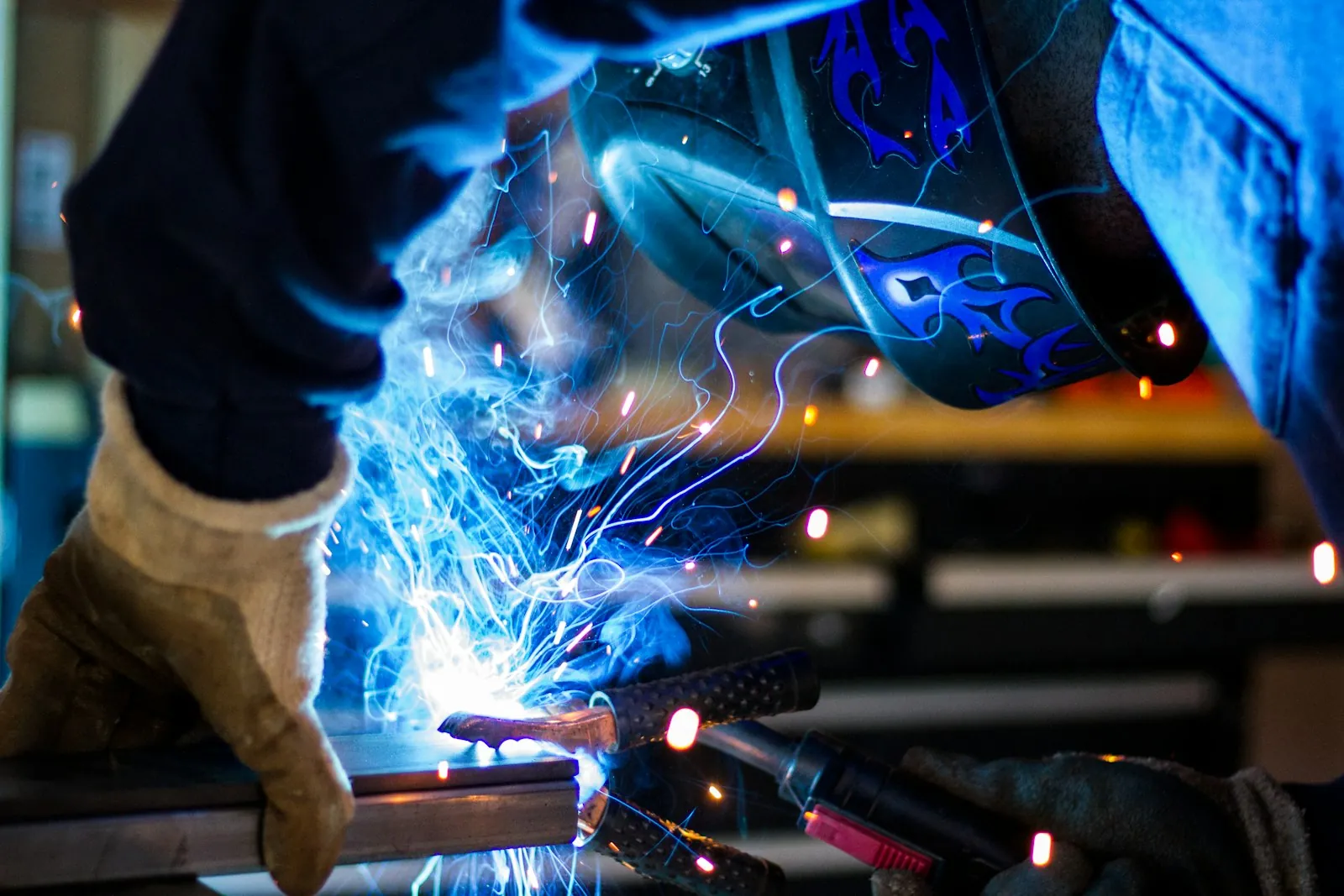
Welding is the skilled trade of fusing metal pieces together. Welders may work from blueprints or work orders, prepare metal surfaces, set up equipment and make joins that need to hold up under real-world demands.
Welding jobs exist in many environments, including fabrication shops, construction sites, shipyards, pipelines, manufacturing plants and maintenance or repair operations. Some roles are mostly indoors and repetitive, while others involve travel, varied conditions or work at heights.
Related roles sit alongside welding, such as fitters, fabricators, inspectors and welding supervisors. Different processes and materials call for different skills, so the day-to-day work can look quite different from one employer to the next.
How it’s traditionally been approached
Many people have entered welding through a mix of classroom training and hands-on practice. This can include high school shop programs, community or technical college courses, private trade schools and union or employer apprenticeships.
Others learn on the job, starting in an entry-level helper or shop role and building skills under experienced welders. Many employers value a steady record of safe, careful work alongside any formal training.
Certifications are often part of the picture. Requirements differ by employer, industry, state and project, so it is wise to confirm what is expected with the hiring employer, the relevant state board or the specific program before spending time or money.
How the right employer may help
The right employer may help by offering a clear path in, such as an apprenticeship, paid on-the-job training, mentoring or support for earning certifications. These are possibilities that vary by employer, not guarantees.
A visit or first conversation with an employer, a training program or a shop is generally a chance to see the workspace, ask about the types of welding done, and learn how new hires are trained and supervised. Many people find it helpful to watch how safety is handled on the floor.
Good questions to ask include: What processes and materials would I work with? How is training and safety equipment handled? Is certification testing supported? What does a typical day or shift look like? Veterans can also ask whether the employer works with programs like SkillBridge or the GI Bill, and then confirm eligibility with the VA, the Department of Labor (VETS) or their command.
The bigger picture
Welding is physical, detail-focused work, so it can affect how you feel day to day. Think about stamina, comfort with heat, noise and confined spaces, and how a schedule or travel would fit your family life and energy.
Choosing a new trade can also bring financial and emotional questions, especially during a transition from military or other work. Taking time to compare options, ask questions and plan realistically can bring peace of mind. If wellbeing or care options are on your mind, Providers.plus is one place to explore resources.
Keep in mind
- Hiring requirements, licences and certifications vary by employer, state and agency, so always confirm them directly with the source.
- Safety comes first in welding: proper protective gear, ventilation and training matter, and a good employer takes them seriously.
- Employers are expected to treat applicants fairly and consider qualifications for the role, not protected characteristics.
- Beware of job scams: never pay to apply, and never share bank details before a legitimate offer. 2A Careers is an independent directory and cannot promise any job, interview or pay.
Not sure where to start? Answer a few gentle questions and choose who you’d like to hear from.
Frequently asked questions
What are welding jobs?
Welding jobs are roles where workers join metal parts using heat, pressure or both. They appear in fabrication, construction, manufacturing, repair and other industries, and the exact duties depend on the employer.
Do I need a degree to get welding jobs?
Not usually a four-year degree, but requirements vary by employer. Many people enter through trade school, community college, apprenticeships or on-the-job training, so confirm what a specific employer expects.
Are there welding jobs for veterans?
Some employers and programs welcome veterans into welding and related trades, though nothing is guaranteed. Veterans can ask about SkillBridge, GI Bill use and veterans' preference, and should confirm eligibility with USAJOBS, the VA, the Department of Labor (VETS) or their command.
Do welding jobs require certification?
It depends on the employer, industry and project. Some work calls for specific certifications, while other roles train new hires directly, so check with the employer, state board or training program.
Is welding work safe?
Welding involves real hazards such as heat, fumes, sparks and bright light, so safety training and protective equipment are essential. Responsible employers make safety a core part of the job and the training.
How can I avoid welding job scams?
Never pay a fee to apply or to be hired, and never share bank details before a legitimate offer. Verify the employer through its official website or contact details, and be cautious of offers that seem too easy or vague.
Educational resource. 2A Careers shares general information and connects people with independent employers. It is not professional advice. Talk with a qualified professional about your own situation.