What it is
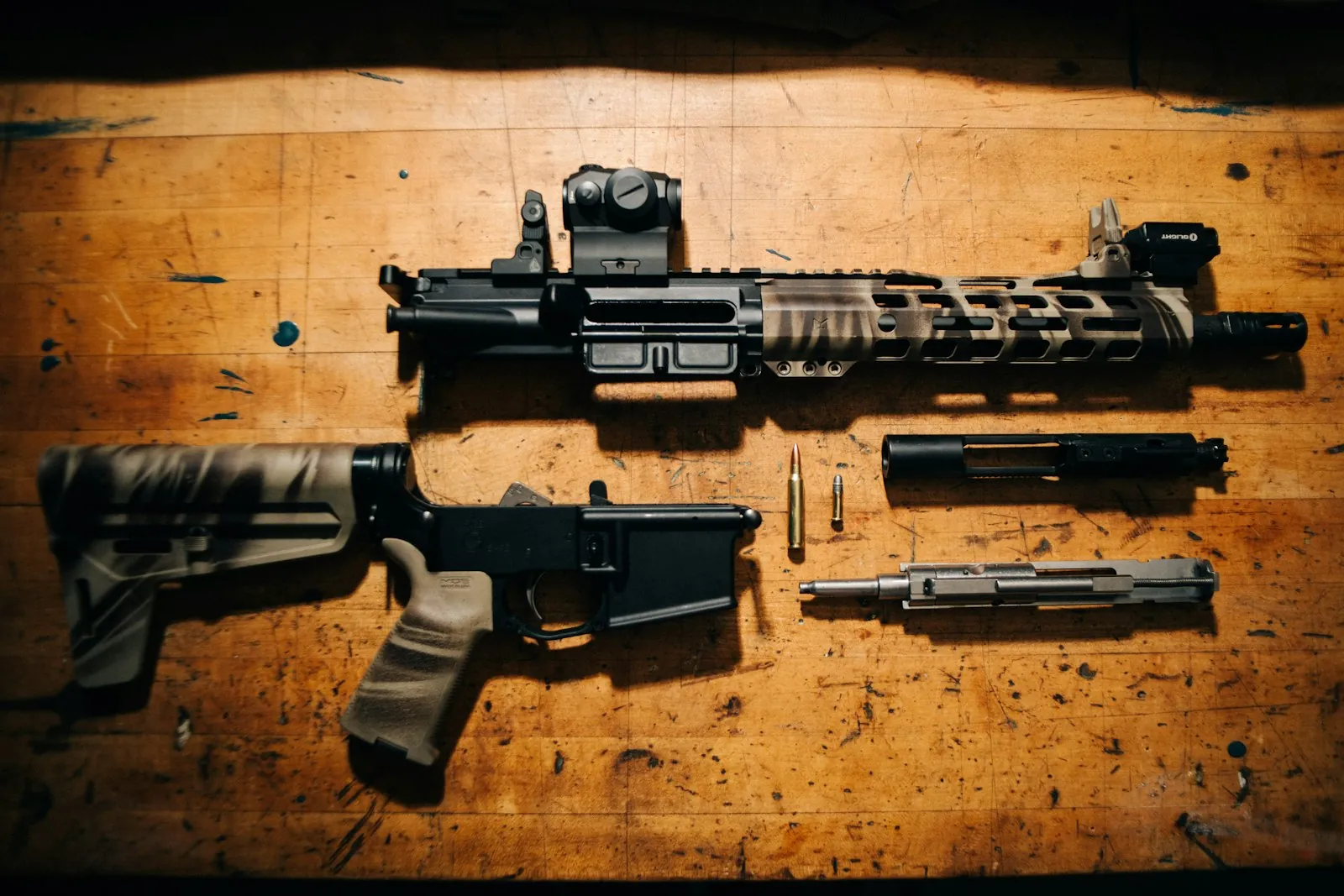
Firearms industry jobs are positions with businesses that design, make, sell, service, or teach about firearms and related gear. Common areas include manufacturing and machining, retail sales, gunsmithing, shipping and inventory, customer service, marketing, and range operations.
Other roles sit around the edges of the industry: firearms instructors, range safety officers, compliance staff, security professionals, and people who work with outdoor, hunting and conservation businesses. Many of these jobs have little to do with handling a firearm and more to do with business skills such as logistics, bookkeeping or web support.
Businesses that manufacture, import or sell firearms generally operate under federal rules enforced by the ATF, along with state and local rules. Those rules can apply to the business and to its employees, so requirements differ by employer, role and location.
How it’s traditionally been approached
Many people have entered the field through hands-on experience, such as working a retail counter, helping at a range, or learning machining or a trade. Others came through military service, law enforcement, or a lifelong interest in shooting sports and hunting.
Training has often come from a mix of on-the-job learning, trade school or apprenticeship programs, and instructor certifications offered by recognized training bodies. Police officer standards are set by state POST boards, while security guard licences and trade licences vary by state.
Job seekers have typically found openings through employer websites, industry trade events, word of mouth, and job boards. Veterans may also explore programs such as SkillBridge, the GI Bill, VA programs, and veterans' preference in federal hiring, with eligibility confirmed through USAJOBS, the VA, the Department of Labor (VETS) or their command.
How the right employer may help
The right employer may help by explaining clearly what a role involves, which licences or background checks apply, and what training they provide. A good employer can also describe how they handle federal (ATF) and state compliance in everyday work.
When you speak with an employer, it can help to ask about safety culture, required certifications, and who covers training costs. You might also ask how the business supports new hires, what a typical week looks like, and whether past military or trade experience may translate to the role.
Safety should be a central part of any conversation. Look for employers who talk openly about safe handling, storage, range rules and ongoing training. Employers should evaluate candidates fairly and on job-related qualifications, never on protected characteristics.
The bigger picture
Choosing a career is also a choice about daily life, stress, and finances. Work around firearms can be rewarding for people who value craftsmanship, service and responsibility, and it may also carry real responsibility that calls for focus, calm and good habits. Think about whether the pace, schedule and environment fit the life you want.
Taking time to plan can bring peace of mind, whether that means building savings before a transition or talking with trusted mentors. If you want support for the whole-person side of a career change, Providers.plus may be a helpful place to explore. No path is right for everyone, and every approach has its place.
Keep in mind
- Licensing and hiring requirements vary by state and agency, so confirm details with the employer, state board (such as a POST board) or training program.
- Firearms businesses and their employees are subject to federal (ATF) and state rules, and safety must always come first.
- Beware of job scams: never pay to apply, and never share bank details before a legitimate offer.
- Some listings on this site may be partner or affiliate opportunities, and we may earn a referral fee. These are not job offers, and we make no income or earnings claims.
Not sure where to start? Answer a few gentle questions and choose who you’d like to hear from.
Frequently asked questions
What are firearms industry jobs?
Firearms industry jobs are roles with companies that make, sell, service, or teach about firearms and related products. They include manufacturing, retail, gunsmithing, instruction, range operations, compliance and office support. Availability and requirements vary by employer and location.
Do I need experience to get a job in the firearms industry?
Not always, since some entry-level roles teach skills on the job, while others ask for specific training or certifications. Retail, warehouse and customer service positions may value general work experience. Check each posting and ask the employer what they require.
Are there firearms industry jobs for veterans?
Veterans may find that military experience in areas like logistics, training, security or maintenance relates to some roles, though nothing is guaranteed. Programs such as SkillBridge, the GI Bill and VA benefits may be worth exploring. Confirm eligibility with USAJOBS, the VA, the Department of Labor (VETS) or your command.
Do firearms industry employees need a licence or background check?
It depends on the role, the employer and the state. Businesses with an FFL operate under ATF rules, and state or local laws may add further requirements. Ask the employer and check with the relevant state agency or board.
What certifications do firearms instructors and range officers need?
Requirements vary by state, employer and range. Many employers look for certifications from recognized training bodies, and some states have their own rules. Confirm what applies with the employer, your state agency or the certifying program.
How can I avoid job scams when searching for firearms industry jobs?
Never pay a fee to apply or to be considered, and never share bank details before a real offer. Research the company, use official contact details, and be cautious of offers that seem too easy or vague. When in doubt, contact the employer directly through its official website.
Educational resource. 2A Careers shares general information and connects people with independent employers. It is not professional advice. Talk with a qualified professional about your own situation.