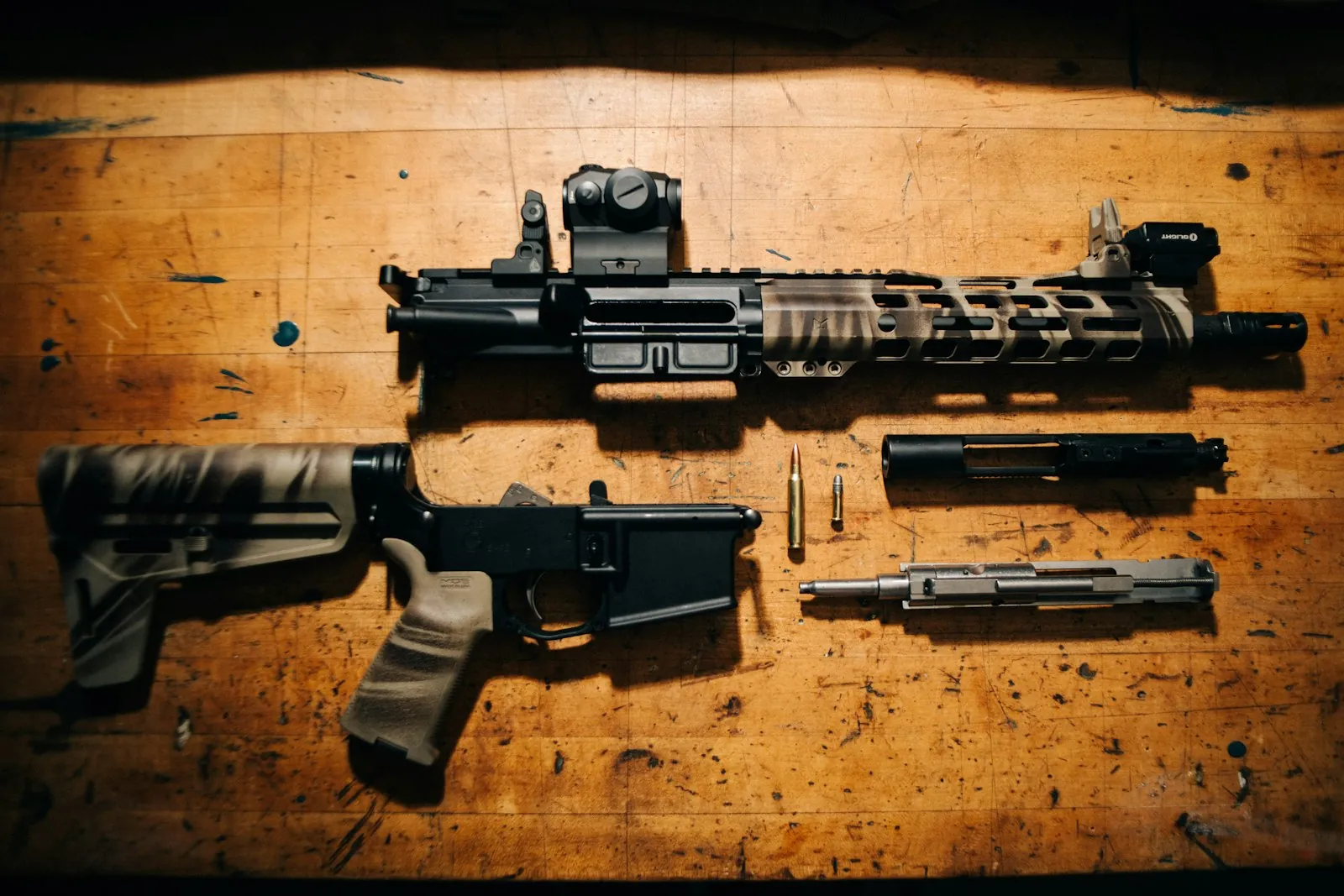
What it is
Gun manufacturers are businesses that design, produce, test and ship firearms, parts or related products. Like most manufacturers, they rely on a mix of production, technical and business roles rather than a single type of job.
Common areas of work include machining, assembly, finishing, inspection and quality assurance, engineering and drafting, warehouse and shipping, customer service, purchasing, marketing and compliance. Many of these skills carry over from other manufacturing and military settings.
Because firearms are regulated, manufacturers operate under federal (ATF) and state rules that apply to licensed businesses and their employees. Safety, accuracy and record-keeping are central to everyday work.
How it’s traditionally been approached
Many people have entered manufacturing through on-the-job training, vocational or technical school, community college programs, apprenticeships, or experience in related industries. Others come from military roles in armament, logistics, maintenance or supply.
Job seekers have typically looked at employer career pages, industry job boards, local workforce centers and referrals from people they know. Some employers also take part in veteran hiring programs or transition programs, which vary by company.
Requirements differ widely by employer, role and state. Some positions involve background checks or other screening tied to firearms laws, and some employers have their own training and safety requirements.
How the right employer may help
The right employer may help by explaining how a role fits into the production process, what training is offered, and how experience from military or other work could apply. A good conversation can make job titles and shop-floor terms much clearer.
When you speak with a hiring contact, you might ask what a typical day looks like, how safety training is handled, what background checks are involved, and how the company supports learning new skills. It is also fair to ask how the company approaches equal opportunity and whether it participates in programs such as SkillBridge.
Remember that listings and conversations are informational. Confirm role requirements, licensing and eligibility directly with the employer, the relevant state or federal agency, or your command, and treat any opportunity as a possibility rather than a promise.
The bigger picture
A career change affects more than a paycheck. Thinking about the pace of the work, the environment, your schedule and your values can help you find a role that feels sustainable and meaningful. Many people find it helpful to talk with family or trusted peers before deciding.
Job searching can also be stressful, especially during a transition out of service. Taking steady steps, staying organized and giving yourself time to rest can support your peace of mind. Providers.plus may be a helpful place to look for wellbeing resources if you want extra support.
Keep in mind
- 2A Careers is an independent directory and not a professional, legal, financial or career advisor; it cannot promise any job, interview, salary or hiring timeline.
- Firearms-industry employers and their employees are subject to ATF and state rules, and safety is a top priority in every role.
- Confirm veterans' preference, SkillBridge, GI Bill and VA eligibility with USAJOBS, the VA, the Department of Labor (VETS) or your command.
- Beware of job scams: never pay to apply, and never share bank details before a verified offer.
Not sure where to start? Answer a few gentle questions and choose who you’d like to hear from.
Frequently asked questions
What kinds of jobs at gun manufacturers exist?
Jobs at gun manufacturers typically include production, machining, assembly, quality control, engineering, shipping, customer service, sales and administrative roles. Which positions are available depends on the employer and changes over time, so check each company directly.
Do I need firearms experience to work at a gun manufacturer?
Not always, because many roles rely on general manufacturing, technical or office skills. Some positions may prefer or require relevant experience, so read each listing closely and ask the employer what training it provides.
Are there jobs at gun manufacturers for veterans?
Some employers may value skills gained in military service, such as armament, maintenance, logistics or leadership, but hiring is never guaranteed. Confirm any veterans' programs, SkillBridge participation or preference rules with the employer, the Department of Labor (VETS) or your command.
Will I need a background check?
Often a background check is part of the process, since manufacturers operate under ATF and state rules. The specifics vary by employer, role and state, so ask the hiring contact what to expect.
How can I tell if a job listing is a scam?
A legitimate employer will not ask you to pay to apply or to share bank details before a verified offer. Be cautious about vague listings, pressure to act fast, or contact only through personal messaging apps, and verify the company on its official website.
Where can I find jobs at gun manufacturers?
People commonly check manufacturers' own career pages, industry job boards, local workforce centers and professional connections. A directory such as 2A Careers can point you toward resources, but you should confirm details and apply directly with the employer.
Educational resource. 2A Careers shares general information and connects people with independent employers. It is not professional advice. Talk with a qualified professional about your own situation.