What it is
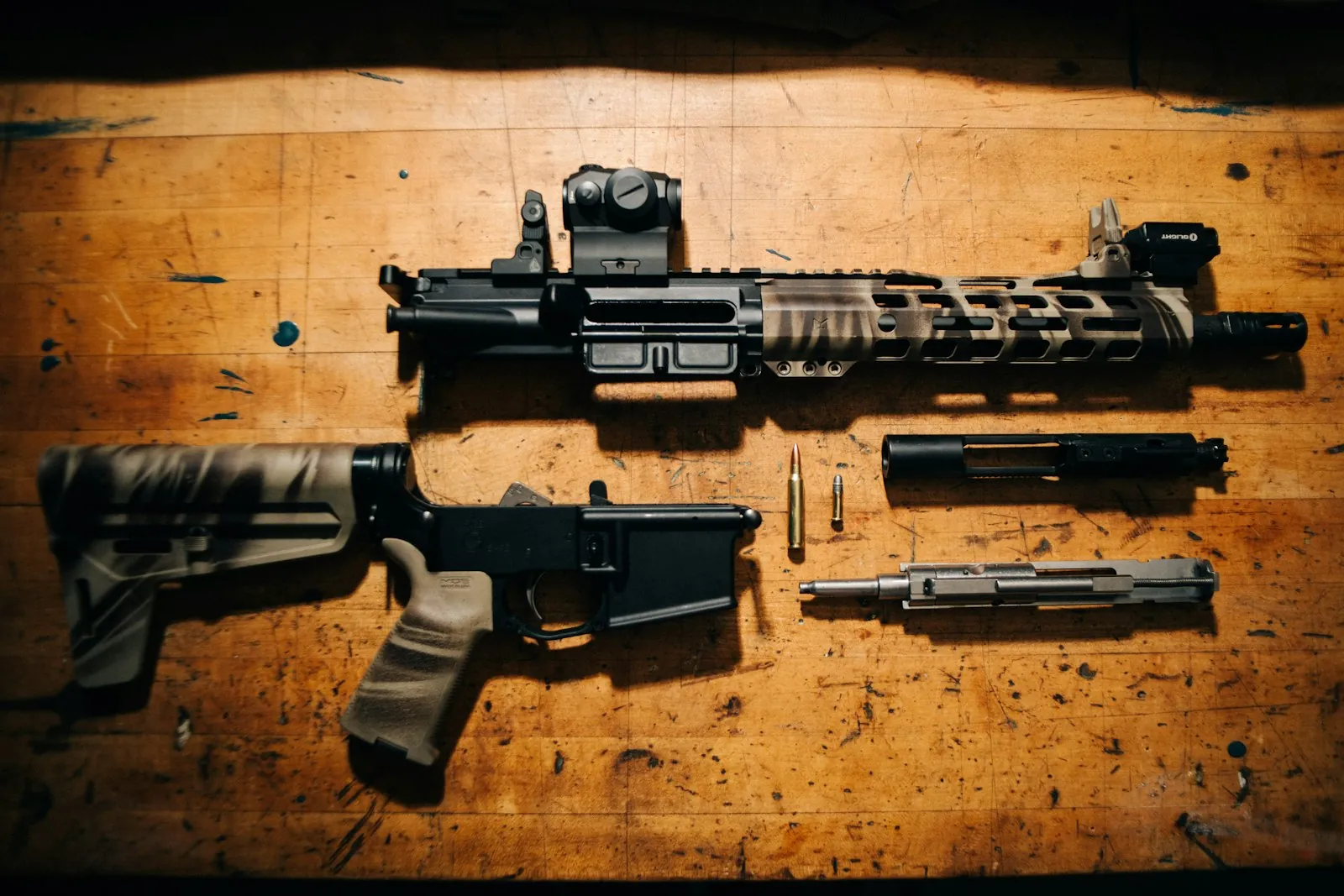
A gunsmith is a skilled tradesperson who repairs, maintains, modifies, builds and sometimes customizes firearms. Day to day, that can include diagnosing a malfunction, fitting parts, refinishing, mounting optics, or performing careful safety checks.
Gunsmithing draws on machining, metalworking, woodworking, and a detailed understanding of how firearm mechanisms work. Strong attention to detail, steady hands, good record-keeping and clear communication with customers all matter.
Gunsmiths work in many settings, including retail gun shops, repair shops, custom builders, manufacturers, ranges, and sometimes law enforcement or military armory environments. Because firearms are regulated, the work always happens within federal and state rules, and safety comes first.
How it’s traditionally been approached
Many people have entered the trade through formal gunsmithing programs at technical or trade schools, some of which offer certificates or associate-level coursework. Others have learned through machining, welding or manufacturing classes that build transferable skills.
Apprenticeship and on-the-job learning have also been a long-standing route, where a newer worker learns alongside an experienced gunsmith. Military armorer experience, hunting and shooting backgrounds, and hobby building are other common starting points.
Requirements differ. Businesses that deal in firearms are typically subject to federal (ATF) rules, including Federal Firearms Licensee (FFL) requirements, as well as state and local laws that apply to the business and its employees. Always confirm what applies with the ATF, your state authorities, and the specific program or employer.
How the right employer may help
The right employer may help by offering a place to learn the trade in a structured, safety-first environment. That might include mentoring from experienced gunsmiths, supervised bench work, and exposure to compliance practices, though every shop is different and nothing is promised.
When you talk with a shop, school or program, it's generally a conversation about your interests, your mechanical background and what kind of work they do. You might tour the bench area, see how they handle safety, storage and paperwork, and learn what a typical week looks like.
Good questions to ask: Do you offer apprenticeships or on-the-job training? How do you handle background checks and federal and state compliance for employees? What tools and skills should I build first? Is there a path to certifications? And always verify any opportunity is legitimate, since you should never pay to apply or share bank details before a formal offer.
The bigger picture
Choosing a skilled trade is about more than a paycheck. Careful, focused bench work can be satisfying and give a sense of purpose, but it also asks for patience, good lighting, ergonomic habits and respect for safety. Thinking about how a role fits your lifestyle, your schedule and your long-term goals can bring peace of mind.
Money matters too. Training can take time and cost, and entry paths vary, so it helps to plan realistically and compare options without pressure. Veterans and others making a career change may also find support through resources like Providers.plus, and no single approach is right for everyone.
Keep in mind
- Gunsmithing involves real safety responsibilities. Follow safe handling practices and learn from qualified professionals.
- Licensing, background check and certification requirements vary by state and agency, so confirm with the ATF, your state, and the program or employer.
- Veterans can ask about veterans' preference, SkillBridge, the GI Bill and VA programs, and should confirm eligibility with USAJOBS, the VA, the Department of Labor (VETS) or their command.
- Beware of job scams: never pay to apply and never share bank details before a legitimate offer. Employers should consider all qualified applicants without regard to protected characteristics.
Not sure where to start? Answer a few gentle questions and choose who you’d like to hear from.
Frequently asked questions
How do I become a gunsmith?
Most people start by building mechanical and machining skills, then pursue a gunsmithing program, an apprenticeship, or an entry-level role in a gun shop or manufacturer. Requirements vary by state and employer, so confirm what applies with the ATF, your state and the program. No path guarantees a job.
Do you need a license to be a gunsmith?
It depends on the work and the location. Businesses that repair or build firearms for others are generally subject to federal (ATF) and state rules, which may include FFL requirements. Check with the ATF and your state authorities before offering services.
Do you need to go to school to become a gunsmith?
Not always. Some people attend a trade or technical program, while others learn through apprenticeships or on-the-job training. The best route depends on your goals, budget and the employers in your area.
What skills does a gunsmith need?
Gunsmiths generally benefit from mechanical aptitude, machining and metalworking basics, precision, patience and a strong safety mindset. Customer service and careful recordkeeping are also important.
Can veterans become gunsmiths?
Yes, many veterans bring relevant experience such as armorer duties or mechanical training. Programs like SkillBridge, the GI Bill and veterans' preference may be relevant, but you should confirm eligibility with your command, the VA, the Department of Labor (VETS) or USAJOBS.
How can I avoid gunsmith job scams?
Never pay to apply for a job and never share bank details before a legitimate offer. Verify the business, check that it is properly licensed where required, and be cautious of anything that seems too good to be true.
Educational resource. 2A Careers shares general information and connects people with independent employers. It is not professional advice. Talk with a qualified professional about your own situation.