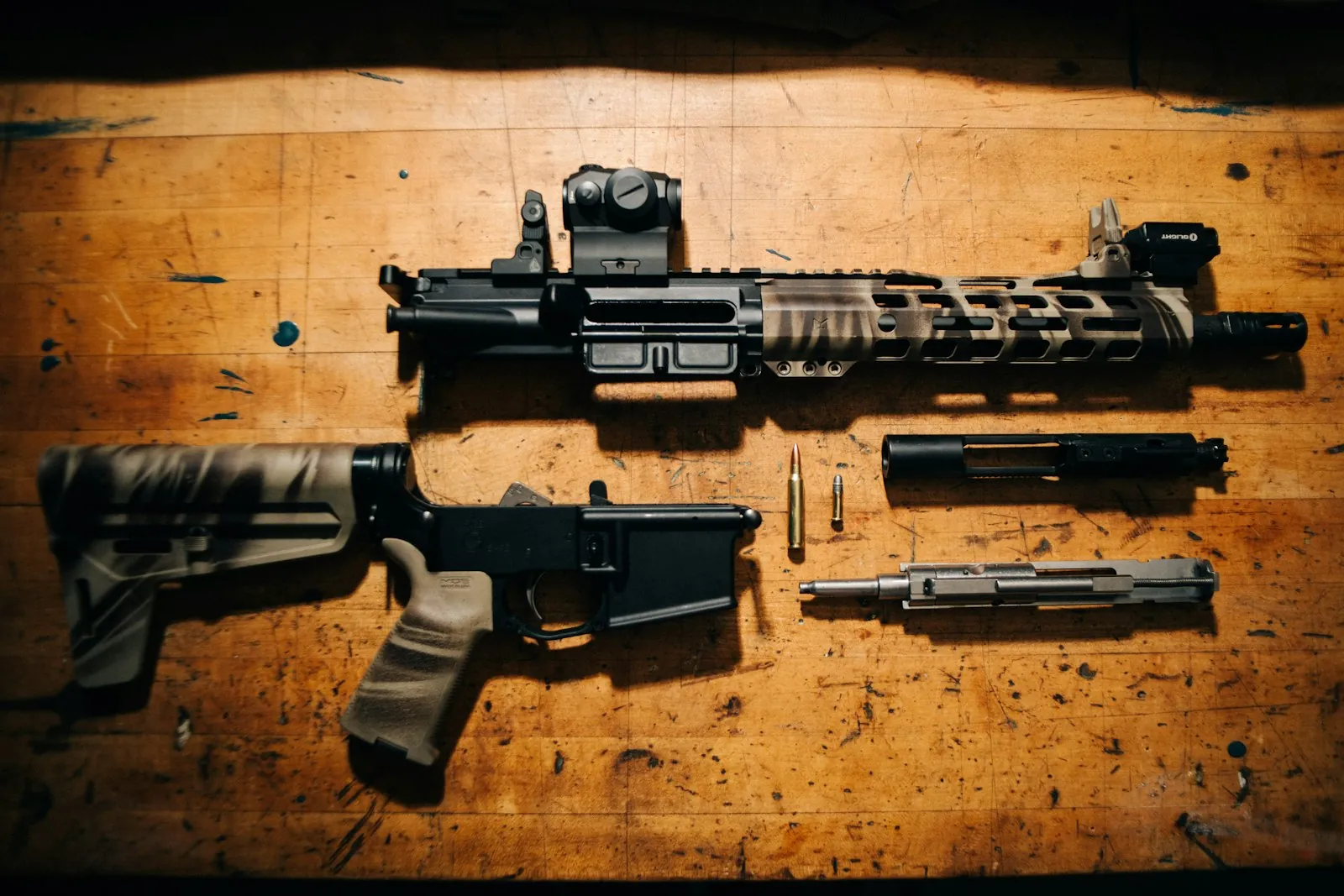
What it is
A gunsmith is a skilled tradesperson who works on firearms. Day-to-day tasks can include inspecting and repairing parts, fitting and installing accessories, refinishing, stock work, scope mounting, and diagnosing why a firearm is not functioning safely. Some gunsmiths focus on one area, such as rifles, shotguns, pistols, or historic arms.
Gunsmith jobs exist in several settings: independent gun shops, retail stores with a repair counter, manufacturers, custom shops, shooting ranges, and self-employed workshops. Related roles include armorer, parts assembler, machinist, finisher, and range or shop technician. Titles and duties vary widely between employers.
The trade blends mechanical skill, attention to detail, and a deep respect for safety. Many people also value the customer-service side, since gunsmiths often explain repairs and safe handling to the people they serve.
How it’s traditionally been approached
Traditionally, many gunsmiths learned through a mix of hands-on experience, mentorship in a shop, and formal training. Some attend trade or technical schools with gunsmithing programs, while others start in a related field such as machining, welding, woodworking or metal finishing.
Military experience, such as working as an armorer or small-arms repairer, is another path some veterans have drawn on. Whether that experience translates to a particular employer depends on the role and the employer's own standards.
Requirements differ by employer and by state. Federal rules from the ATF apply to businesses holding a Federal Firearms License (FFL) and to their employees, and state and local rules may add more. Always confirm current requirements with the ATF, your state agency, or the employer directly.
How the right employer may help
The right employer may help you see what the work really involves. A shop that is open about its daily tasks, tools, and safety culture can give you a clearer picture than a job title alone. Some employers may offer on-the-job learning, mentorship, or a way to build skills over time, though this varies and is never guaranteed.
When you talk with an employer, it can help to ask practical questions. What types of firearms and repairs does the shop handle? How are safety procedures taught and enforced? Who holds the FFL, and how do compliance duties apply to employees in this role? Is any training or certification expected, and does the employer support it?
It is also fair to ask about the work environment, scheduling, tools you would be expected to supply, and how background checks are handled under federal and state rules. A good employer will welcome careful questions. Employers should treat all applicants fairly and consistently, and you can expect the same respect in return.
The bigger picture
Choosing a trade like gunsmithing is about more than a paycheck. Precision work can be deeply satisfying for people who enjoy craftsmanship, but it can also mean standing for long hours, working with solvents and fine tools, and carrying real responsibility for safety. Thinking honestly about your stamina, focus, and comfort with that responsibility can bring peace of mind.
Money matters too. Training costs, tool purchases, and the path to steady work can take time, so many people find it calming to plan carefully and compare options without pressure. If stress about a career change is weighing on you, support resources such as Providers.plus may help you find wellness professionals, and the 988 Lifeline is available if you are ever in crisis.
Keep in mind
- Licensing, certification, and background-check rules vary by state and by employer, so confirm with the ATF, your state board or agency, or the employer.
- Safety comes first in every firearms role; reputable employers emphasize safe handling, secure storage, and compliance with federal and state law.
- Beware of job scams: never pay to apply, and never share bank details or sensitive information before a verified offer.
- Veterans should confirm eligibility for benefits such as the GI Bill, VA programs, or SkillBridge with the VA, the Department of Labor (VETS), or their command.
Not sure where to start? Answer a few gentle questions and choose who you’d like to hear from.
Frequently asked questions
What are gunsmith jobs?
Gunsmith jobs involve repairing, building, maintaining and customizing firearms. They can be found in gun shops, ranges, manufacturers, custom workshops, and self-employed settings. Duties and requirements vary by employer and state.
Do I need formal training for gunsmith jobs?
Not always, but many people combine formal training, a related trade background, or on-the-job mentorship. Some employers prefer specific schooling or certifications while others train in-house. Ask each employer what they expect.
Are there gunsmith jobs for veterans?
Some employers value military experience such as armorer or small-arms repair work, and may be open to veterans, though nothing is guaranteed. Veterans can confirm benefits like the GI Bill, VA programs, or SkillBridge with the VA, the Department of Labor (VETS), or their command.
Do gunsmiths need a license?
It depends on the work and where you live. Businesses that repair or sell firearms generally must follow ATF rules and may need an FFL, and states can add their own requirements. Confirm with the ATF, your state agency, and the employer.
Can I work as a gunsmith with a criminal record?
Federal and state firearms laws can limit who may handle or work with firearms, and the answer depends on your specific situation. Check with the ATF, your state authorities, or a qualified legal professional, as this site cannot give legal advice.
How can I avoid scams when looking for gunsmith jobs?
Never pay a fee to apply, and never share bank details or sensitive information before a verified offer. Research the employer, confirm the business is real, and be cautious of offers that seem too good to be true.
Educational resource. 2A Careers shares general information and connects people with independent employers. It is not professional advice. Talk with a qualified professional about your own situation.