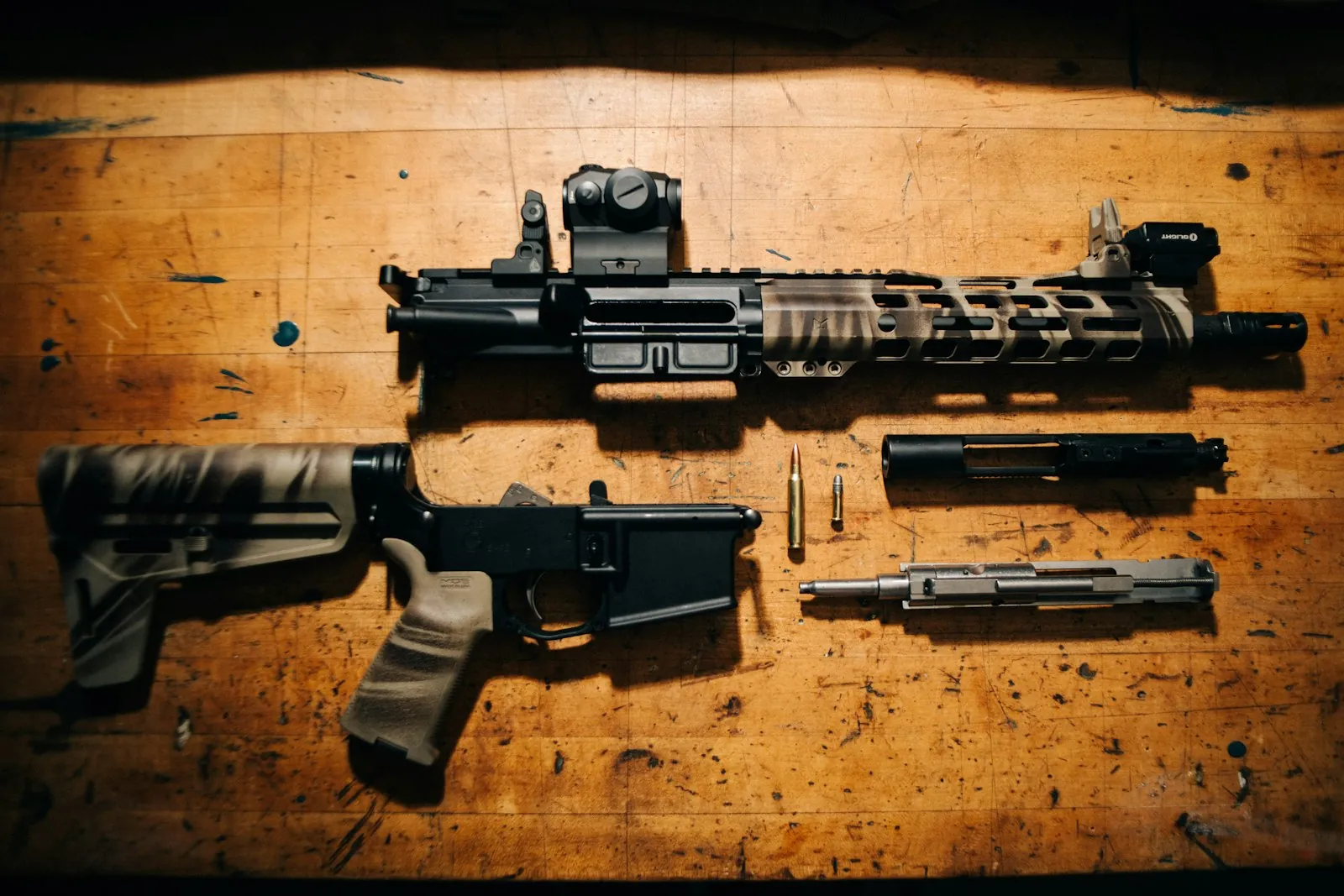
What it is
A firearms instructor certification is a recognized credential showing that someone has completed a course or assessment in teaching firearm safety, handling and marksmanship fundamentals. Different certifying bodies, agencies and training providers issue them, and the focus can vary, such as basic pistol, rifle, shotgun, home defense, or range safety.
Certification usually covers more than shooting skill. Candidates often study how to communicate clearly, run a safe lesson, spot unsafe behavior, manage a range, and teach people with different experience levels. Safety is the foundation of all of it.
Requirements are not the same everywhere. State rules, local laws, and employer or agency policies all play a part. Businesses that sell or handle firearms are also subject to federal (ATF) and state rules, so anyone working in that setting should confirm what applies to them.
Related roles, such as range safety officer, may have their own separate certifications.
How it’s traditionally been approached
Many people have traditionally come to instructing through military service, law enforcement, competitive shooting, hunting education, or years of personal training. From there, they often take an instructor development course offered by a training organization, agency academy, or industry association.
Some instructors work in law enforcement or security settings, where state POST boards and agency standards may shape the training required. Others teach civilians at ranges, gun shops, outdoor education programs, or private training companies.
Certifications often need to be renewed or kept current, and some instructors add specialties over time. Because standards differ by state, agency and program, the safest approach is to ask the certifying body or state board directly what is required.
How the right employer may help
The right employer may help by explaining which certifications they recognize, whether they support training costs, and how new instructors are mentored. Some ranges, retailers, outdoor programs and training companies may offer a way to build teaching experience under experienced staff.
When you talk with an employer, it can help to ask which certifying bodies they accept, how they handle range safety and insurance, and what state or federal requirements apply to their staff. If they operate as a licensed firearms business, ask how ATF and state rules affect your role.
You can also ask what a typical week looks like, how student safety is monitored, and what ongoing training is expected. Veterans may ask whether their service training counts toward any requirement, and should confirm benefits such as the GI Bill or SkillBridge eligibility with the VA, the Department of Labor (VETS), or their command. No employer can promise a position, so treat every conversation as a chance to learn.
The bigger picture
Choosing to become an instructor is a personal decision as well as a professional one. Teaching others takes patience, calm, and a steady sense of responsibility, and many people find the work rewarding. It can also be demanding, so it helps to think about your schedule, your energy, and your comfort with the responsibility of student safety.
There is a financial side too: training, travel and renewals can take time and money, so plan carefully and compare options without pressure. If stress or the transition from service life is weighing on you, resources like Providers.plus may help you find support, and the 988 Lifeline is available in the U.S. at any time.
Keep in mind
- Requirements vary by state, agency and program, so confirm with the certifying body, your state board or POST board before enrolling.
- Firearms businesses and their employees are subject to federal (ATF) and state rules; safety always comes first.
- Never pay to apply for a job, and never share bank details before a real offer. Be cautious of anything that sounds too good to be true.
- Certification does not guarantee a job, an interview or any income; employers make their own independent hiring decisions.
Not sure where to start? Answer a few gentle questions and choose who you’d like to hear from.
Frequently asked questions
What is firearms instructor certification?
Firearms instructor certification is a credential showing someone has completed training in teaching safe firearm handling and shooting fundamentals. Who issues it and what it covers depends on the certifying body. Always confirm details with the organization or your state.
Do I need a firearms instructor certification to teach?
It depends on where and for whom you teach. Some states, agencies, ranges and insurers have specific requirements, while others set their own standards. Check with your state board, agency or prospective employer before you begin.
How do I become a certified firearms instructor?
People generally complete an instructor development course from a recognized training provider or agency, often after gaining firearms experience. Prerequisites and assessments differ by program. Ask each program what it requires and how it is recognized.
Can veterans use military experience toward firearms instructor certification?
Military experience may be valued by some programs and employers, but whether it counts toward a requirement varies. Ask the certifying body directly. Confirm benefit eligibility, such as the GI Bill or SkillBridge, with the VA, the Department of Labor (VETS) or your command.
Are there jobs for veterans in the firearms industry?
Some veterans find roles in ranges, training companies, retail, outdoor programs and related areas, though no job is guaranteed. Employers decide independently, and requirements vary. Browse listings carefully and confirm each employer's expectations.
Does firearms instructor certification expire?
Many certifications must be renewed or kept current, but timing and rules differ by issuer. Ask your certifying body about renewal and continuing education requirements.
Educational resource. 2A Careers shares general information and connects people with independent employers. It is not professional advice. Talk with a qualified professional about your own situation.