What it is
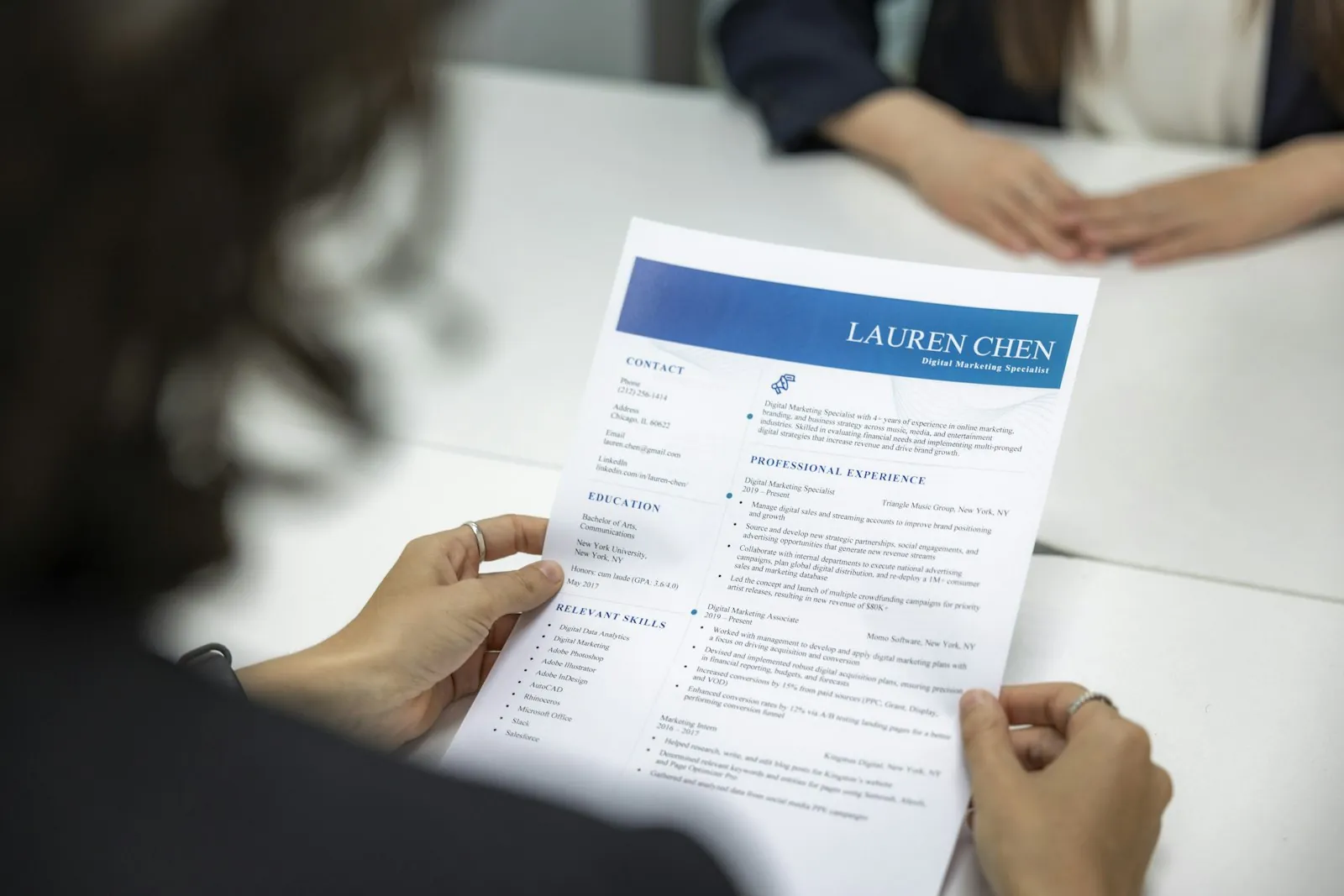
A cover letter is a one-page note that goes with your résumé. It tells the reader who you are, which role you want, and why your background fits. For veterans, it is often the place to explain military work in words a civilian hiring manager can follow.
Military titles, ranks, acronyms and unit names can be unfamiliar outside the service. A cover letter gives you room to translate them into everyday skills such as leading a team, following safety procedures, managing equipment, or working under pressure.
It is not a life story or a list of every duty. Most good letters are short, specific to the job, and honest. They show the reader what you can offer and why you are interested in that employer.
How it’s traditionally been approached
Traditionally, veterans have started with a simple structure: an opening that names the job, a middle section with two or three relevant examples, and a closing that thanks the reader. Many people tailor each letter to the posting rather than sending the same one everywhere.
Many veterans also use resources such as transition assistance classes offered through the military, veterans' employment offices, and campus or community career centers. Mentors, fellow veterans, and peers who have already made the move are another common source of feedback.
Approaches differ. Some people prefer a brief, direct letter, while others add more detail about leadership or training. Fields such as law enforcement, security, and defense or government contracting may expect certain details, such as clearances or certifications, to be handled in specific ways. Each approach can work depending on the employer and the role.
How the right employer may help
The right employer or provider may help by being clear about what the role involves and what skills matter. Employers who regularly hire veterans may already understand military experience, and some may have staff who can answer questions about how to present it.
If you speak with a veterans career provider or hiring team, it can help to ask: Which skills from military service are most useful for this role? Is a cover letter expected or optional? How do you prefer military terms to be explained? Who reads applications first?
You can also ask about any requirements that apply to the job. Police officer standards are set by state POST boards, security guard licences vary by state, and firearms-industry roles are subject to federal (ATF) and state rules, with safety as a priority. Confirm details with the agency, state board, or program. No provider can promise an interview or a job.
The bigger picture
Writing about yourself can feel awkward, especially if you are used to emphasizing the team over the individual. Many veterans find it helps to take it in small steps, write a rough draft, and ask someone you trust to read it. Feeling nervous about a career change is common and does not say anything about your abilities.
A job search also touches finances and peace of mind. Having a clear, honest letter may help you feel more prepared and less rushed. If stress feels heavy, support is available, including the 988 Lifeline (press 1 for the Veterans Crisis Line). Providers.plus may also help you find wellness resources alongside your career search.
Keep in mind
- Never pay to apply for a job, and never share bank details or your Social Security number before a legitimate offer. Be cautious of anyone who guarantees a job.
- Veterans' preference, SkillBridge, GI Bill and VA programs have specific rules. Confirm your eligibility with USAJOBS, the VA, the Department of Labor (VETS), or your command.
- Licensing and hiring requirements vary by state and agency, so check with the relevant board, agency, or program before you apply.
- 2A Careers is an independent directory, not a professional advisor, and cannot guarantee interviews, offers, or income.
Not sure where to start? Answer a few gentle questions and choose who you’d like to hear from.
Frequently asked questions
What is a cover letter for veterans?
A cover letter for veterans is a short letter sent with a résumé that connects military experience to a civilian job. It explains your background in plain language and shows why you are interested in the role. It does not guarantee an interview.
Do veterans need a cover letter?
It depends on the employer. Some postings require one, some make it optional, and some do not mention it. Reading the job listing carefully is the best way to know, and a short, tailored letter can be a helpful addition when it is allowed.
How do I translate military experience in a cover letter?
Replace jargon and acronyms with everyday terms that describe what you did, such as leading a team, maintaining equipment, or following safety procedures. Pick two or three examples that match the job posting. Asking a friend outside the military to read it can show where terms are unclear.
How long should a veteran cover letter be?
Usually one page or less is a common approach. Short paragraphs with specific examples tend to be easier to read than long summaries. Follow any length or format instructions in the job listing.
Should I mention my security clearance in a cover letter?
Often people mention their clearance level briefly if it is relevant to the job, particularly in defense and government contracting. Rules about discussing clearances can be specific, so confirm what is appropriate with the employer or your security officer.
Where can I get help writing a cover letter as a veteran?
Options include transition assistance programs, veterans' employment offices, community or campus career centers, and veteran mentors. Confirm program eligibility with the VA, the Department of Labor (VETS), or your command. Be wary of anyone who asks you to pay to apply or promises a job.
Educational resource. 2A Careers shares general information and connects people with independent employers. It is not professional advice. Talk with a qualified professional about your own situation.