What it is
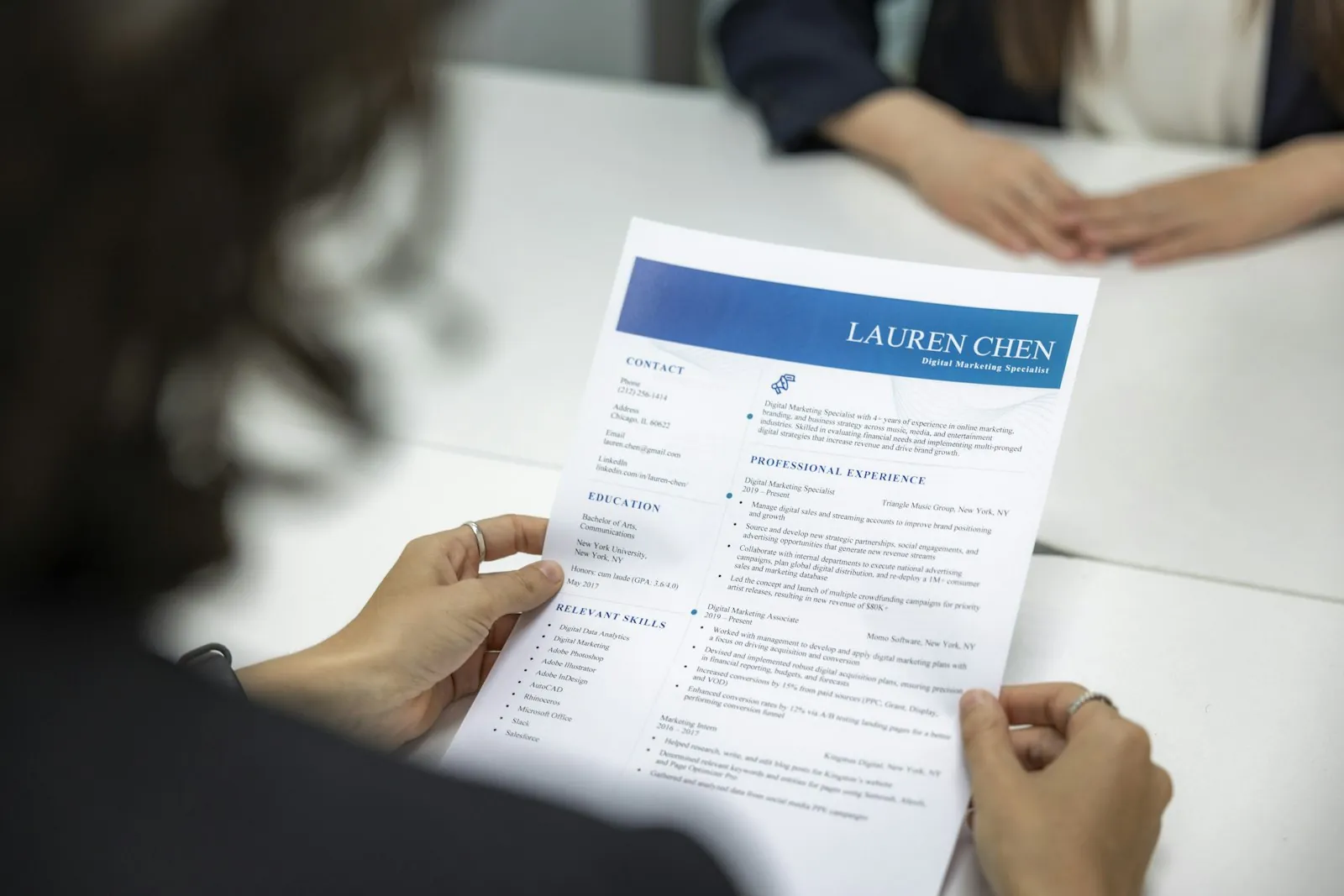
A resume is a short document that summarizes your work history, skills, training and accomplishments for an employer. Its main job is to help a hiring team quickly see how your background may fit a role. Most include contact details, a brief summary, experience, education and relevant certifications.
Many people who have served struggle with the translation step. Military, police and contractor roles often use job titles, acronyms and ranks that civilian readers may not recognize. Learning how to write a resume often means restating what you did in plain language, such as leading a team, managing equipment, following safety procedures or handling sensitive information.
There is no single correct format. Some people use a reverse-chronological layout, listing the most recent job first. Others lean on a skills-based layout. The best choice often depends on the role, your history and what the employer asks for in the listing.
How it’s traditionally been approached
Traditionally, people have written resumes on their own using templates, library or community workshops, and advice from friends, mentors or former colleagues. Many start by listing every job and duty, then trim it down to what is most relevant to the position they want.
Veterans and transitioning service members have often turned to transition assistance classes, veteran service organizations and base or community career centers. These can offer examples of how to turn service experience into civilian terms. Availability and content vary, so confirm details with your command, the Department of Labor (VETS) or the program itself.
Federal job applications work differently from many private-sector ones. Federal resumes on USAJOBS often ask for more detail than a one-page private resume, and veterans' preference rules may apply. Confirm current requirements and your eligibility directly with USAJOBS or the hiring agency.
How the right employer may help
The right employer or career resource may help by showing you what they actually look for in a candidate. Some employers in veteran careers, law enforcement, and defense and government contracting publish clear descriptions of required skills, clearances, certifications and training. Reading these closely can help you choose which parts of your background to highlight.
If you speak with a recruiter or career coach, a conversation is generally about your goals, your experience and the kind of role you are considering. Helpful questions include: What keywords or qualifications matter most for this role? How should I describe my military or agency duties for a civilian reader? Is there a preferred format or length? What should I be ready to verify, such as licenses or background checks?
Requirements vary by state and agency. Police officer standards are set by state POST boards, security guard licenses vary by state, and firearms-related roles may involve ATF and state rules for FFL businesses, with safety as a central concern. Always confirm requirements with the agency, board or program, and be wary of scams: never pay to apply and never share bank details before a legitimate offer.
The bigger picture
Putting your career story on paper can stir up a mix of pride, doubt and stress. It is common to feel that years of service are hard to condense into a page. Taking it one section at a time, and giving yourself breaks, may make the process feel more manageable and help protect your peace of mind.
A job search also affects finances and daily routines, so patience and support matter. Talking with a trusted friend, mentor or peer can help. If you are also looking for wellbeing resources, Providers.plus is one place to explore. If you ever feel in crisis, you can call or text the 988 Lifeline.
Keep in mind
- No resume can guarantee a job, an interview or a hiring timeline; it is one tool among many.
- Be accurate and honest about dates, titles, clearances and certifications, since employers may verify them.
- Licensing, hiring and eligibility rules vary by state and agency, so confirm with USAJOBS, the VA, the Department of Labor (VETS), your command or the relevant board.
- Never pay to apply for a job or share bank details before a legitimate offer, and report suspicious postings.
Not sure where to start? Answer a few gentle questions and choose who you’d like to hear from.
Frequently asked questions
How do I start writing a resume?
Start by listing your jobs, dates, duties, training and certifications in one place. Then choose the items most relevant to the role you want and rewrite them in clear, plain language. Add contact details, a short summary and your education.
What should be on a resume?
A resume typically includes your name and contact information, a brief summary, work experience, skills, education and any relevant licenses or certifications. Some roles also ask for clearance information or other details. Check each job listing for specific requirements.
How do I write a resume with military experience?
Translate military titles, acronyms and duties into terms a civilian reader can understand, focusing on leadership, teamwork, equipment, safety and results. Transition programs and veteran career resources may offer examples. Confirm program availability with your command or the Department of Labor (VETS).
How long should a resume be?
Many private-sector resumes are kept to one or two pages, depending on experience. Federal resumes, such as those on USAJOBS, often include more detail. Follow the instructions in each job announcement.
Do I need a different resume for each job?
Adjusting your resume for each role is a common approach because it lets you highlight the skills and keywords that match that listing. You usually keep a core version and tailor sections as needed. Always keep every detail truthful.
Can a resume get me a job in law enforcement or defense contracting?
A resume is one part of the process, and it cannot promise a job or interview. Law enforcement roles typically involve state POST board standards and agency-specific steps, while contracting roles may involve clearances and background checks. Confirm requirements directly with the agency or employer.
Educational resource. 2A Careers shares general information and connects people with independent employers. It is not professional advice. Talk with a qualified professional about your own situation.