What it is
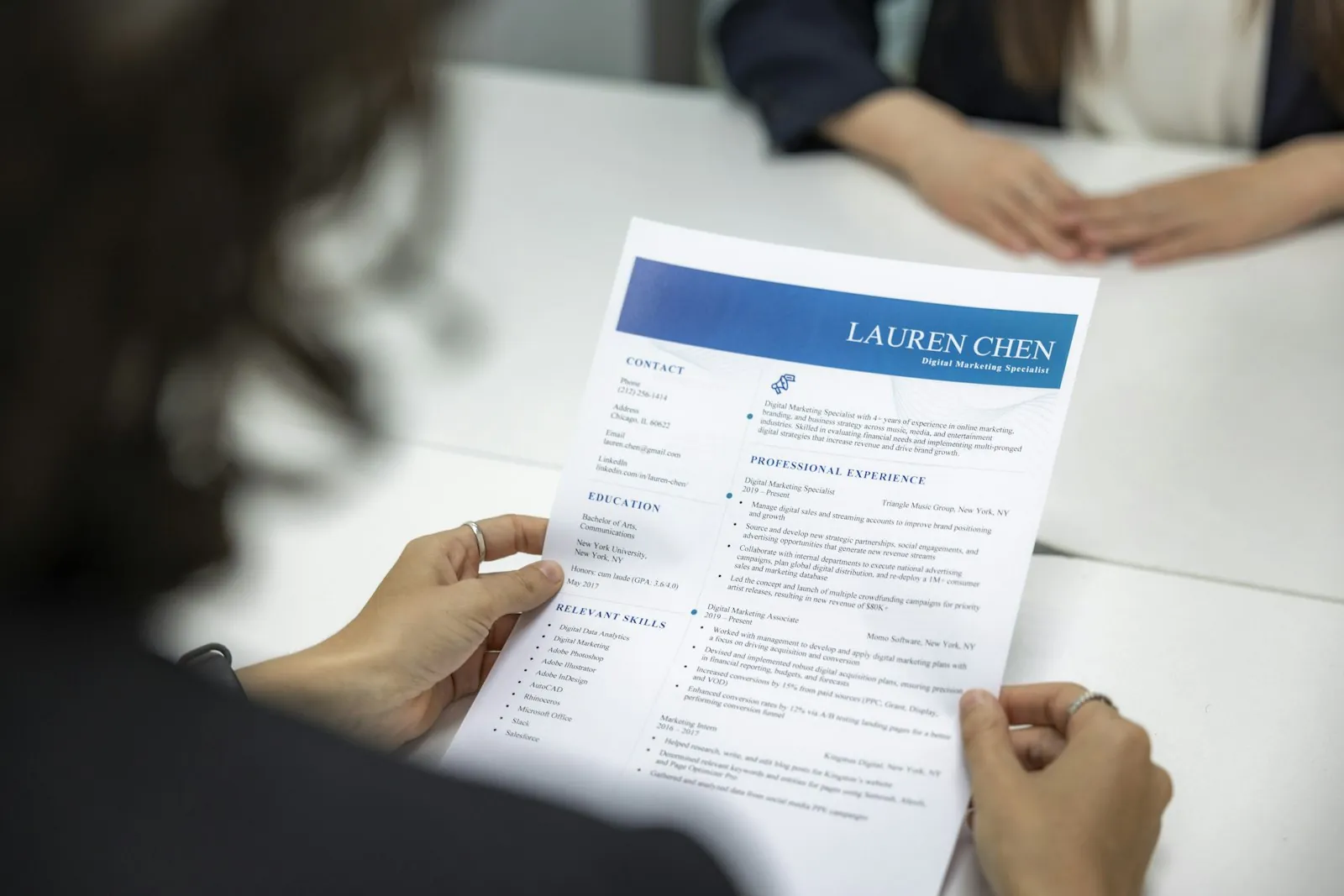
A job interview is a structured conversation between you and an employer. The goal is for both sides to learn whether the role, the team and the workplace are a good fit. It may happen by phone, by video, in person, or in a panel with several people.
Good interview tips usually fall into a few areas: researching the employer, understanding the job description, practicing clear answers, and preparing your own questions. For veterans, a big part of this is translating military terms, ranks and duties into language a civilian hiring team can follow.
Interviews also vary by field. Law enforcement, security, defense and government contracting roles may include extra steps such as panel boards, background reviews or clearance-related questions. Requirements differ by agency, employer and state, so always confirm the details with the hiring organization.
How it’s traditionally been approached
Traditionally, people have prepared by reading the job posting closely, writing down examples from past work, and rehearsing answers out loud. Many use a simple story structure: the situation, what they did, and what happened. Friends, mentors and family often serve as practice partners.
Veterans have often leaned on transition classes, base or installation career offices, veteran service organizations and peer networks. Programs such as SkillBridge, GI Bill resources and federal veterans' preference are sometimes part of the picture. Eligibility and details vary, so confirm with your command, the VA, the Department of Labor (VETS) or USAJOBS.
Others have preferred to learn by doing, taking informational conversations or practice interviews before the real thing. Neither path is better or worse. People choose what fits their schedule, comfort level and the type of role they want.
How the right employer may help
The right employer may make interviews easier to navigate. A thoughtful hiring team often explains the steps up front, shares who you will meet, and describes what the role involves day to day. That clarity can help you prepare without guessing. Nothing here guarantees an interview, an offer or any particular outcome.
A typical interview visit generally includes introductions, questions about your background, scenario-based questions, and time for you to ask your own. Some employers value military experience and are familiar with how to read a service record. Others may need you to explain it plainly, so practice describing your role without jargon.
Questions worth asking include: What does a typical week look like? How is success measured in the first months? What training or onboarding is offered? What are the licensing, certification or background requirements, and who confirms them? Asking about safety culture is especially useful for firearms-industry, security and law enforcement roles, where federal (ATF) and state rules may apply.
The bigger picture
Interviews can bring up nerves, and that is normal. Feeling prepared, resting well, and giving yourself time to arrive calm can support your confidence. The job search can also affect finances and peace of mind, so pacing yourself and leaning on trusted people may help you stay steady.
If stress around a transition feels heavy, support is available. In the U.S., you can call or text 988 and press 1 for the Veterans Crisis Line. For broader wellbeing resources, Providers.plus may be one place to explore. Every approach to job searching is valid, and you can choose what works for you.
Keep in mind
- Licensing and hiring requirements, such as state POST board standards for police officers or security guard licenses, vary by state and agency, so confirm with the agency, board or program.
- Never pay to apply for a job, and do not share bank details or Social Security information before a legitimate offer. Be cautious of anything that seems too good to be true.
- Employers should make decisions based on job-related qualifications, and equal opportunity rules protect applicants. If you have concerns, check official government resources.
- This page is educational only. It does not promise a job, interview, salary or hiring timeline.
Not sure where to start? Answer a few gentle questions and choose who you’d like to hear from.
Frequently asked questions
What are the best interview tips for veterans?
Translate your military experience into plain, civilian language and tie it to the job description. Prepare a few real examples that show teamwork, responsibility and problem-solving. Practice out loud and prepare questions for the employer. Results are never guaranteed, but preparation can help you feel more confident.
How do I explain my military experience in an interview?
Focus on what you did and the result, rather than rank, acronyms or unit names. For example, describe the size of the team you led or the process you managed in everyday words. Ask a mentor or career office to review how it sounds to a civilian listener.
What should I wear to an interview?
Dress one step more polished than the workplace's everyday style, and make sure your clothes are clean and comfortable. If you are unsure, it is fine to ask the employer or recruiter what is typical. For video interviews, check your lighting, background and sound ahead of time.
How do I prepare for a law enforcement or security job interview?
Start by confirming requirements with the agency or your state POST board, since steps and standards vary. Expect questions about judgment, integrity and communication, and possibly a panel format or background review. Practice calm, honest answers and review the agency's published process.
What questions should I ask at the end of an interview?
Ask about the day-to-day work, training and onboarding, how success is measured, and what the next steps are. Roles involving firearms or regulated duties may also warrant questions about safety practices and required licenses. Thoughtful questions show real interest in the role.
How can I avoid job scams when interviewing?
Legitimate employers do not ask you to pay to apply or interview, and they do not need your bank details before an offer. Be wary of interviews held only through chat apps or offers that arrive with no real conversation. If something feels off, verify the company independently and report suspicious activity to the proper authorities.
Educational resource. 2A Careers shares general information and connects people with independent employers. It is not professional advice. Talk with a qualified professional about your own situation.