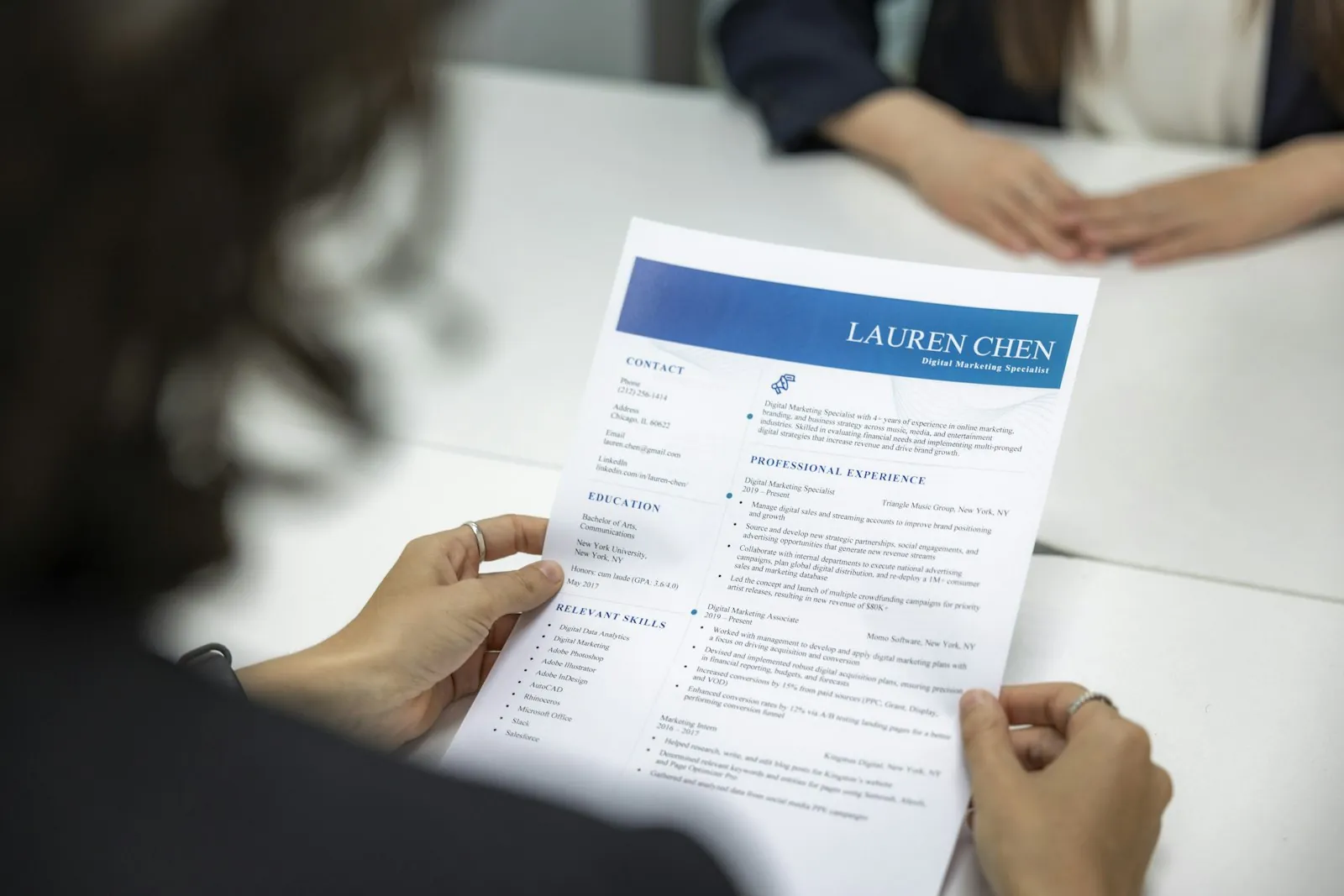
What it is
A resume for law enforcement is a written summary of your work history, training, education, certifications and service. Agencies, sheriff's offices and other public safety employers may use it as one early step in a longer hiring process. It is often paired with a formal application, which can ask for much more detail than a resume does.
Typical sections include contact information, a short summary, work experience, education, licenses and certifications, military service, and relevant skills such as report writing, communication, de-escalation training or community work. Many applicants also list volunteer roles, language skills and first aid or CPR credentials where they apply.
Requirements differ widely. Police officer standards are set by state POST boards, and each agency has its own process, forms and timelines. Always confirm what an agency expects before you submit anything, since some ask for a resume and others rely mainly on their own application packet.
Because the work involves public trust, agencies generally expect accuracy and honesty. A resume for law enforcement is usually reviewed alongside background checks and other steps, so consistency between documents matters.
How it’s traditionally been approached
Traditionally, applicants have built a resume for law enforcement by listing jobs in reverse order, starting with the most recent. Many keep it to one or two pages and use plain headings so a reviewer can find key details quickly.
Veterans and service members have often translated military duties into civilian language, describing leadership, security, logistics, investigations or training roles in terms a hiring reviewer can follow. Others come from teaching, customer service, corrections, security or the trades and highlight the skills that carry over.
Many people also ask a mentor, a veteran transition office, a career center or a trusted colleague to review a draft. Some use templates, while others write from scratch. Different approaches can work, and the best fit often depends on the agency and the role.
How the right employer may help
The right employer or hiring contact may help by explaining what their agency looks for, which documents they require and how the process generally works. Some agencies host information sessions, ride-along programs or recruiter conversations where applicants can ask questions. None of this guarantees an interview or a job, but it may give you a clearer picture of what to prepare.
When you speak with a recruiter or hiring representative, you might ask: Is a resume required, or only your application? What certifications or POST requirements apply in this state? How should military service be listed? What should I know about background checks, fitness standards or timelines? Are there civilian roles that might also fit my skills?
Veterans may also ask about veterans' preference, SkillBridge and GI Bill or VA programs. Confirm eligibility directly with USAJOBS, the VA, the Department of Labor (VETS) or your command. A good employer should be open about requirements and should never ask you to pay to apply.
The bigger picture
Preparing a resume for a public safety career can bring up excitement, pressure and uncertainty all at once, especially if you are leaving another line of work or military service. Giving yourself time, asking for feedback and keeping your story honest may help the process feel steadier and less stressful.
Job searching also touches finances and peace of mind. Taking breaks, staying organized and leaning on supportive people can help. For wellbeing resources connected to demanding careers, Providers.plus is one place you may explore, alongside the 988 Lifeline if you are ever in distress.
Keep in mind
- Requirements vary by state and agency, so confirm standards with the hiring agency or your state POST board before applying.
- No resume, template or service can promise an interview, a job, a salary or a hiring timeline.
- Employers should never discriminate based on protected characteristics, and your resume should focus on skills, experience and qualifications.
- Beware of job scams: never pay to apply, and never share bank details or sensitive information before a legitimate offer.
Not sure where to start? Answer a few gentle questions and choose who you’d like to hear from.
Frequently asked questions
What should a resume for law enforcement include?
A resume for law enforcement usually includes contact information, a short summary, work history, education, certifications, military service and relevant skills. Some agencies also want volunteer work or language skills. Check the agency's posting, since requirements vary.
How long should a law enforcement resume be?
Many applicants keep it to one or two pages, though there is no single rule. Agencies often also require a longer application, so confirm what they ask for. Clear headings and accurate details usually matter more than length.
Can a veteran use military experience on a resume for law enforcement?
Yes, many veterans list military service and describe duties in plain civilian terms. Mentioning leadership, training, security or investigative work may help reviewers understand your background. Confirm any veterans' preference details with USAJOBS, the VA or the Department of Labor (VETS).
Do I need a college degree to apply?
Not always, because education requirements differ by state and agency. Some departments ask for a high school diploma or equivalent, while others prefer more education. Check with the agency and your state POST board.
Will a good resume get me hired in law enforcement?
No resume can guarantee an interview or a job. Hiring usually involves several steps, such as applications, background checks and interviews. A clear, accurate resume may simply help you present your background well.
How can I avoid job scams when applying?
Never pay a fee to apply, and do not share bank details or sensitive information before a legitimate offer. Apply through official agency websites or trusted job boards. If something feels off, verify the employer directly.
Educational resource. 2A Careers shares general information and connects people with independent employers. It is not professional advice. Talk with a qualified professional about your own situation.