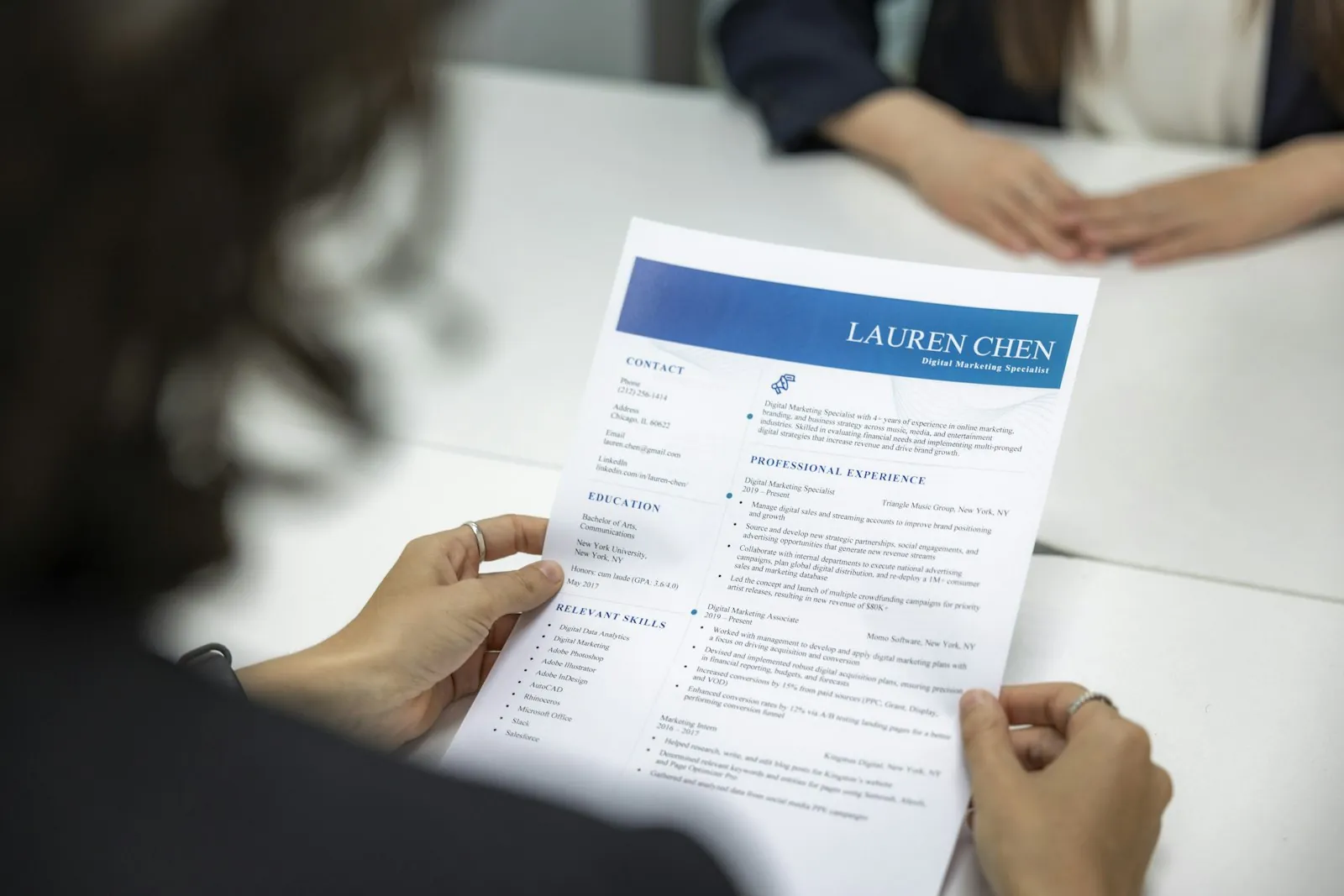
What it is
A military resume is a résumé written by a service member, veteran or military spouse that describes their experience for a non-military audience. It usually covers roles held, skills used, training completed, and results achieved during service.
The main challenge is translation. Rank titles, job codes, acronyms and unit names often mean little outside the military, so the document works best when duties are described in plain language, such as leading a team, managing equipment, or following safety procedures.
Federal government applications often follow different rules than private-sector ones, and may ask for more detail. Law enforcement, security, and defense or government contracting employers may also ask for specific items, such as clearance history or certifications. Always read each posting closely.
How it’s traditionally been approached
Many veterans have started by gathering their evaluations, award citations, training records and discharge paperwork, then rewriting duties in everyday language. Others have used a transition office, a veterans' employment representative, or a trusted mentor to review drafts.
Common approaches include a one- or two-page private-sector résumé, a longer federal-style résumé for government postings, and a tailored version for each role. Some people lead with a summary of strengths, while others lead with a timeline of positions.
Programs such as SkillBridge, GI Bill benefits, VA services and veterans' preference in federal hiring are part of the broader landscape. Eligibility and rules differ, so confirm details with USAJOBS, the VA, the Department of Labor (VETS) or your command.
How the right employer may help
The right employer may help by being familiar with military backgrounds and by explaining plainly what they look for. Some employers in veteran careers, law enforcement, and defense and government contracting are used to reading service records and may understand how military experience relates to their roles. That is a possibility, not a promise.
When you talk with an employer or recruiter, the conversation is generally a chance to describe your experience, ask how the hiring process works, and learn what the day-to-day work involves. You can bring a draft résumé and ask whether anything is unclear to a civilian reader.
Useful questions include: What qualifications or licences does this role require in my state? How does the employer view military training? Is there a clearance, background check or medical standard? What does the process look like from application to decision? Employers should treat all applicants equally and fairly.
The bigger picture
Translating years of service into a few lines can feel strange, and sometimes stressful. It may stir up pride, uncertainty or a sense of leaving an identity behind. Taking it in small steps, and asking someone you trust to read your draft, can make it feel more manageable.
Career transitions also touch finances and peace of mind. A clear résumé is one tool among many, and it is fine to take time. If you want support finding providers who work with veterans, Providers.plus may be a helpful place to look. If you are ever in crisis, the 988 Lifeline is available, and veterans can press 1 after dialing.
Keep in mind
- Scams exist: never pay to apply for a job, and never share bank details or your Social Security number before a verified offer.
- Licensing and hiring requirements vary by state and agency, such as state POST boards for police officers and state rules for security guard licences, so confirm with the agency, board or program.
- Firearms-industry roles are subject to federal (ATF) and state rules for FFL businesses and their employees, and safety comes first.
- Confirm benefits and preferences, including veterans' preference, SkillBridge and GI Bill, with USAJOBS, the VA, the Department of Labor (VETS) or your command. No job, interview, salary or timeline is guaranteed.
Not sure where to start? Answer a few gentle questions and choose who you’d like to hear from.
Frequently asked questions
What is a military resume?
A military resume is a résumé that describes your service experience in language civilian employers can understand. It typically covers your roles, skills, training and accomplishments. The goal is to make your background clear to someone unfamiliar with military terms.
How do I translate military experience to a civilian resume?
Start by replacing acronyms, ranks and job codes with plain descriptions of what you did. Focus on skills like leadership, logistics, safety, communication and problem-solving. Many people also ask a mentor or transition office to read the draft and flag confusing terms.
How long should a military resume be?
Private-sector résumés are often one to two pages, while federal applications may allow or require more detail. The right length depends on the posting and your experience. Always check the instructions in each job announcement.
Should I include my security clearance on a military resume?
Many veterans list clearance status when it is relevant, but check what the employer asks for and follow any rules about how clearance information is shared. Confirm details with your security office or the employer. Do not include classified or sensitive operational information.
Is a federal resume different from a military resume?
Yes, they can differ. Federal résumés often ask for more detail, such as hours worked, specific duties and dates, and they follow the format in each USAJOBS announcement. Confirm requirements directly with the posting and USAJOBS.
Can the right employer help with a military resume?
Possibly. Some employers, especially those experienced in hiring veterans, may explain how they read service records or what they look for in applicants. This is not a guarantee of an interview or job, and you should never pay to apply.
Educational resource. 2A Careers shares general information and connects people with independent employers. It is not professional advice. Talk with a qualified professional about your own situation.